

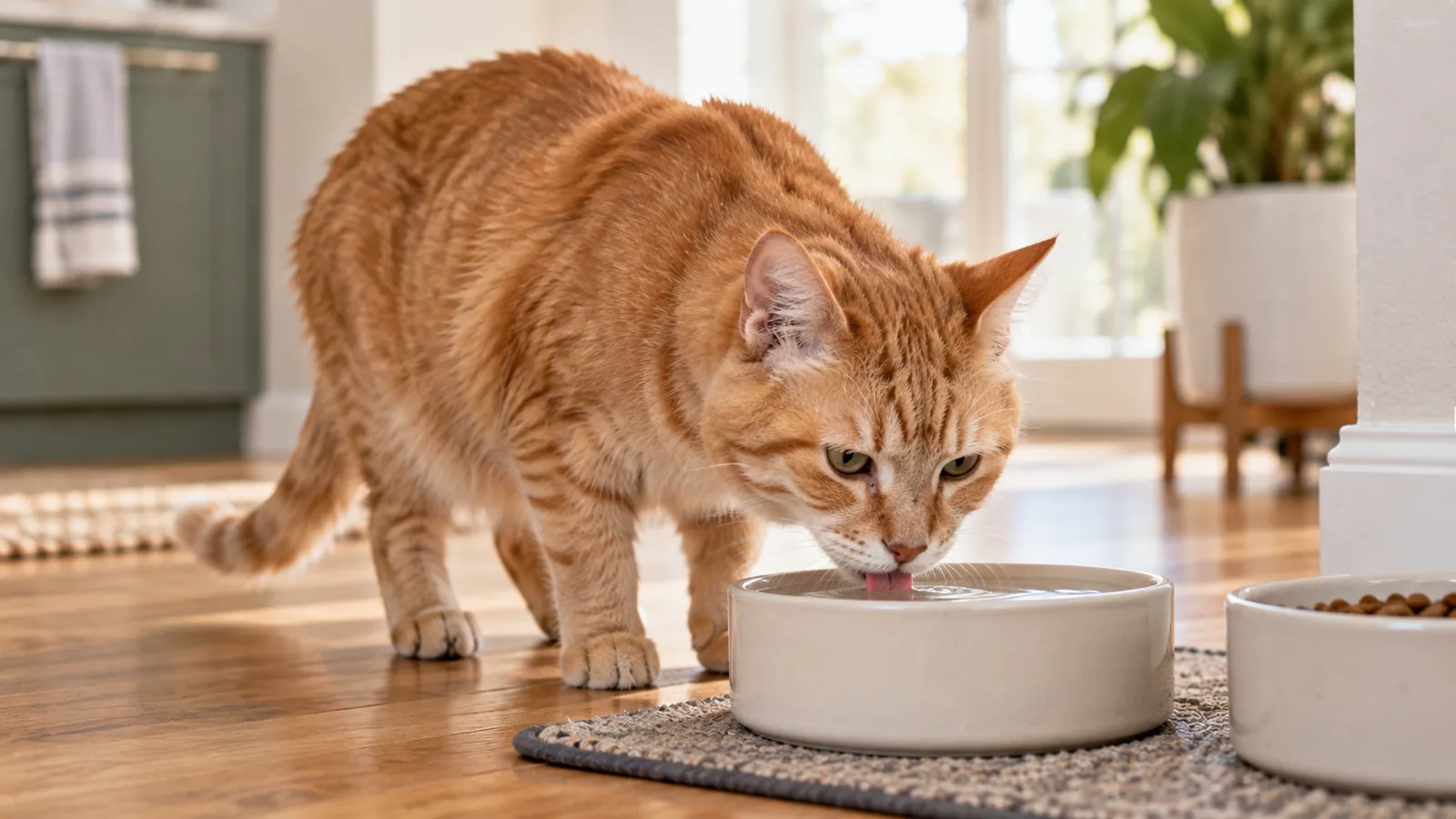
A cat with diabetes rarely looks sick overnight. Instead, the changes tend to creep in: the water bowl empties faster, the litter box fills with larger urine clumps, and a cat who has always been a good eater suddenly seems ravenous while gradually losing weight. Many families assume it's just part of getting older until the symptoms become impossible to ignore. Without treatment, diabetes can lead to dehydration, nerve damage, diabetic ketoacidosis (DKA), and other life-threatening complications. The good news is that cats often do very well when diabetes is diagnosed early, and some even stop needing insulin altogether, a state called remission.
At Central Kentucky Veterinary Center in Georgetown, we can often diagnose diabetes during a single visit using in-house blood and urine testing. Our AAHA-accredited team will help you understand exactly what's happening and create a treatment plan tailored to your cat, with ongoing wellness and preventive care to monitor progress. If you've noticed increased thirst, weight loss, or other concerning changes, schedule an appointment so we can help.
Feline Diabetes: Quick Facts
- A cat who drinks more, urinates more, and loses weight while eating well is showing the classic early signs of diabetes, and the sooner testing happens, the more options stay on the table.
- Diagnosis usually takes a single visit: a physical exam plus blood and urine testing confirms the condition and rules out the diseases that mimic it.
- Daily insulin, a high-protein diet, and a steady routine keep most diabetic cats comfortable for years.
- Cats treated promptly can sometimes reach remission and stop needing insulin, and the first six months after diagnosis are the most important window for that.
- Vomiting, refusal to eat, stumbling, or collapse in a diabetic cat is an emergency that can't wait for a regular appointment.
What Actually Goes Wrong Inside a Diabetic Cat?
Inside a diabetic cat, one of two things breaks down: the pancreas stops making enough insulin, or the body's cells stop responding to the insulin that's there. Either way, glucose piles up in the bloodstream instead of fueling muscles and organs, and the body, convinced it's starving, begins burning fat and muscle for energy. That explains the paradox families notice: a cat who eats with real enthusiasm yet keeps losing weight. It also explains the thirst. The kidneys try to flush the extra sugar out through the urine, dragging water along with it, which sends your cat back to the bowl again and again.
The insulin-resistant form of feline diabetes is by far the most common, and extra body weight is its single biggest driver, which is why the disease shows up so often in plump, food-motivated indoor cats past age seven. No two cats need exactly the same treatment, so our veterinary team matches the insulin type, dose, diet, and monitoring plan to your cat and your household's schedule.
How Do I Know if My Cat Has Diabetes?
You'll rarely catch feline diabetes through one dramatic symptom; you'll catch it through a pattern of small changes, such as rising thirst, heavier litter clumps, and weight sliding off despite a healthy appetite. An exam with lab testing turns that suspicion into an answer. Some of the subtler signs are easy to file under "just getting older":
- A dull, unkempt coat: grooming takes energy and flexibility, and diabetic cats often run short on both.
- Sleeping more and playing less: persistent lethargy is a change worth investigating, not a personality trait.
- Accidents near the litter box: a bladder that fills faster than old habits can keep up with often leads to misses.
- A lower, flat-footed stance in the back legs: a "plantigrade stance" or hind-limb weakness, called diabetic neuropathy, can be an early sign of nerve trouble.
Testing matters because the outward signs of diabetes overlap heavily with kidney disease and an overactive thyroid, and each calls for a different treatment. Since stress alone can spike a cat's glucose during a car ride and exam, we often add a fructosamine test, which reflects average blood sugar over the previous weeks rather than one nervous moment. If the results confirm diabetes, treatment can begin the same day rather than after a week of phone tag.
What Does Daily Life With a Diabetic Cat Actually Look Like?
Daily life with a diabetic cat comes down to rhythm: insulin at the same times each day, meals that line up with the injections, the same food in the same portions, and periodic glucose checks to confirm the dose still fits. The first two weeks feel like a lot; by the second month, many families find it folds right into the morning coffee routine. A diabetes tracker app can be a great help, especially in the beginning while you're getting the hang of your new normal. Merck has a great free app, as does the UK's Royal Veterinary College.
Insulin injections without the drama
Most diabetic cats need insulin twice a day, roughly twelve hours apart, injected just under the skin with a needle so fine that plenty of cats never look up from breakfast. Consistent diabetes care is mostly repetition done well, and we make sure you leave confident rather than hopeful: we practice the technique together in the exam room and make sure all your questions are answered.
What should a diabetic cat eat?
Cats are obligate carnivores, and diabetic cats do best on exactly what that implies: a diet rich in high-quality protein and low in carbohydrates. Canned food usually beats dry here, since it carries fewer carbs and more moisture. Sound diabetic nutrition also means smaller, consistent meals paired with the injections rather than free-feeding, so food and insulin rise and fall together. One caution: never change a diabetic cat's food abruptly, because a new diet can shift insulin needs overnight. Run any changes past us first.
How do glucose curves and home monitoring work?
A single glucose reading is a snapshot; managing diabetes well takes the whole movie. Blood glucose curves string together readings across a day, showing when the insulin peaks, how low the glucose dips, and how long the effect lasts, which tells us whether the dose needs to move. Curves can run here at the clinic or at home. Many families learn to test with a pet-calibrated glucometer and a quick ear prick, and small wearable sensors can now stream readings to your phone for days at a time. Our team is happy to show you how to use a glucometer for home readings or discuss when a long-acting glucose meter might be the right option.
Can play and weight loss really improve blood sugar?
Movement matters, because working muscle pulls glucose out of the bloodstream and improves the body's response to insulin. Short daily play sessions with a wand toy, a few tossed kibbles to chase, or a food puzzle that turns dinner into a hunt all count. Structured exercise routines paired with portion control chip away at the extra weight that drives insulin resistance in the first place.
Can My Cat's Diabetes Go Into Remission?
Yes, and for cats it is a realistic goal rather than a long shot. Diabetic remission is a period of recovery from the signs of diabetes: with the right support, your cat's own insulin production can recover enough that they no longer need injections to keep their blood sugar normal. It is not a cure, since the tendency can return, but plenty of cats live insulin-free for long stretches once they get there.
Timing is the single biggest factor, which is why we push to start treatment the same day we diagnose. A cat has the best chance of remission when good blood sugar control is achieved within the first six months after diagnosis, so those early months are not the time to ease into things gradually. Weight loss, proper diet and exercise, and regular insulin administration all play a part.
If remission comes, celebrate it carefully: insulin only ever stops under veterinary guidance, and a cat in remission still needs monitoring, because the diabetes can return without much warning and the sooner we catch it, the better.
What Complications Should I Watch For in a Diabetic Cat?
Even a well-managed diabetic cat can hit bumps: infections take hold more easily, blood sugar can swing in either direction, and some complications creep in over months while others arrive in hours. Knowing which problems can wait for an appointment and which can't is one of the most valuable skills a diabetic cat family can build.
Urinary tract infections
Sugary urine is an open invitation to bacteria: glucose spilling into the bladder feeds them, while chronically high blood sugar blunts the immune defenses that would normally clear them out. Straining, frequent small trips to the box, blood-tinged urine, or crying mid-stream all deserve a prompt call, because these infections are painful and rarely resolve on their own. Periodic urine testing at recheck visits also catches the quiet ones that show no outward signs.
Dental disease
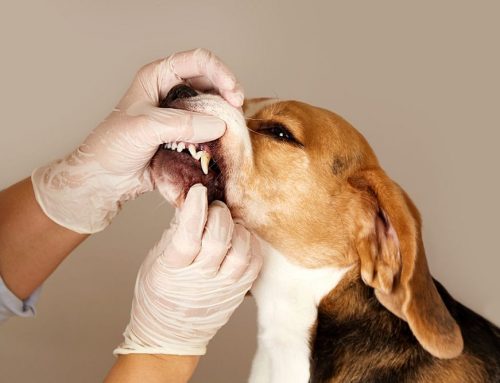
A sore mouth quietly sabotages glucose control: inflammation and infection from diseased gums push blood sugar up, and elevated blood sugar helps oral bacteria dig in deeper, a loop that can undo months of careful management. Staying ahead of dental care, starting with the teeth and gum check we do at every visit, protects far more than your cat's smile.
Diabetic neuropathy
Months of poorly controlled glucose can damage the nerves running down the hind legs, and affected cats sink onto their hocks, walking flat on their ankles instead of up on their toes. The encouraging news about diabetic neuropathy is that it often improves once blood sugar comes under steady control, though nerves heal slowly and recovery can take several months.
Hypoglycemia: when blood sugar drops too low
The most dangerous swing runs in the other direction: blood sugar that falls too far, usually because an insulin dose landed on top of a skipped or vomited meal. Signs escalate fast: wobbliness, trembling, glassy-eyed confusion, then seizures or collapse. If your cat can swallow, rub a small amount of corn syrup or honey on the gums, and then get help immediately: call us during our hours, or head to the nearest veterinary ER.
Diabetic ketoacidosis: the emergency to know by name
Ketoacidosis develops when cells become so starved for glucose that the body tears through fat for fuel, flooding the bloodstream with acidic ketones. A cat sliding into diabetic ketoacidosis vomits, refuses food, grows weak and dehydrated, and may breathe fast or heavily; some develop an oddly sweet smell on their breath. These cats need hospitalization, IV fluids, and around-the-clock monitoring, so skip the appointment book and go straight to the nearest emergency veterinary hospital.
What Does Long-Term Success With Feline Diabetes Look Like?
Long-term success looks surprisingly ordinary: a steady routine at home, a recheck every few months, small insulin adjustments as your cat's needs drift, and a body condition that stays lean. At each recheck we review your home glucose numbers, fine-tune the dose, track weight, and run periodic bloodwork. Ongoing weight management sits at the center of it all, because a lean body is the strongest predictor of stable glucose. Between rechecks, regular preventive care keeps nutrition and body condition on track as your cat ages. When a question can't wait for the next visit, reach out and we'll help.
Feline Diabetes Questions We Hear Most Often
What should I do if I miss an insulin dose?
Skip the missed dose entirely and give the next one at its normal time; the same goes for a dose you're not sure went in. Doubling up or squeezing a late dose close to the next one can crash blood sugar, which is far more dangerous than one high day. If missed doses are becoming a pattern, tell us and we'll adjust the schedule to fit your real life.
Can my other cats catch diabetes?
Diabetes is a metabolic condition, not an infection, so it can't spread between cats or from cats to people. Housemates do tend to share the risk factors that matter, though, like free-fed dry food and a mostly sedentary lifestyle, so one diagnosis is a sensible reason to weigh and evaluate the risks for others.
Can I use a human glucometer to test my cat?
Pet-calibrated glucometers are the better tool, because feline blood distributes glucose differently than human blood and human meters often read low on cats. If you already own a human meter, bring it to a visit so we can compare its readings against our lab values and show you how to interpret the numbers.
Keeping Your Diabetic Cat Safe
A diabetes diagnosis lands heavily on the drive home, but this is one of the most manageable chronic conditions in feline medicine, and you won't be managing it alone. If your cat ever shows crisis signs like collapse, repeated vomiting, or sudden severe weakness, head straight to emergency care rather than waiting for an appointment. For everything else, from testing a suspiciously thirsty cat to fine-tuning a long-standing insulin plan, schedule a visit at Central Kentucky Veterinary Center in Georgetown and let us help your cat get back to being their comfortable, healthy self.



Leave A Comment