

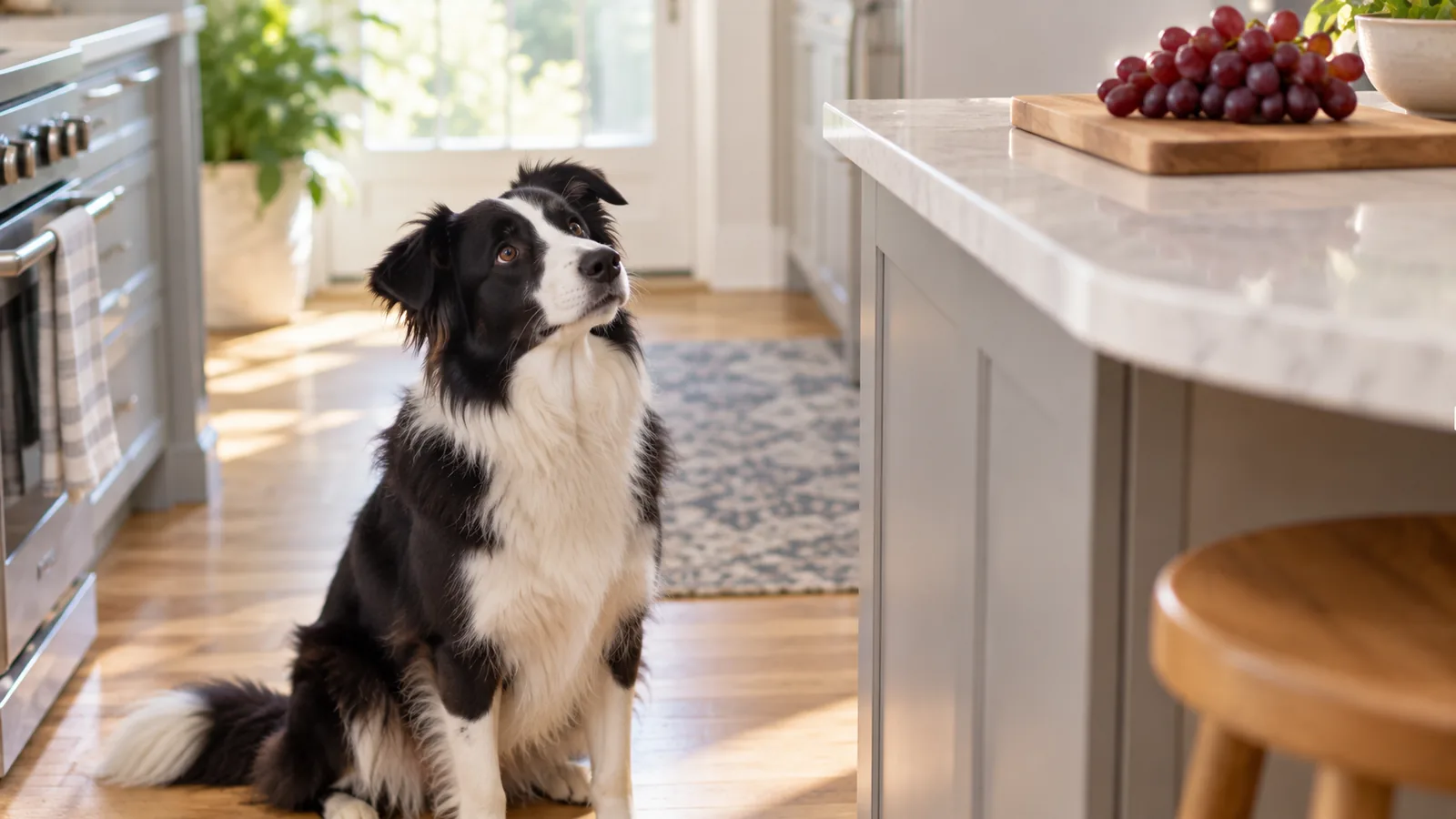
Chocolate, sugar-free candy, grapes, and raisins are among the most common food-related poisoning risks for pets, and Halloween puts all of them in one place. Candy bowls on coffee tables, children's trick-or-treat bags left on the floor, and guests who don't realize a "small bite" can be dangerous all increase the chance of an accidental poisoning. While Halloween deserves extra attention, these same hazards exist throughout the year, alongside toxic plants, medications, antifreeze, and cleaning products. Keeping tempting foods and household toxins securely stored is one of the easiest ways to protect your dog or cat.
At Central Kentucky Veterinary Center in Georgetown, we would much rather help you prevent a poisoning than see one happen. Our AAHA-accredited team can walk you through pet-proofing your home during any wellness visit, from securing the pantry to swapping risky houseplants for safer ones. If your dog or cat samples something questionable, our in-house diagnostic services let us check bloodwork on site and evaluate the exposure without waiting days for outside results. We serve pet families throughout Georgetown, Lexington, and Scott County, and we are glad to answer questions about anything suspicious your pet may have gotten into. To talk through prevention or book a checkup for peace of mind, request an appointment and we will get you on the books.
Key Points on Pet Poisoning
- Chocolate, xylitol, grapes, and raisins cause more pet poisonings than almost anything else in the house, and the dangerous dose is often smaller than you'd guess.
- The hazards go well past the pantry: true lilies can cause kidney failure in cats, a few licks of antifreeze can be fatal, and human medications sit near the top of poison-control call lists.
- Never wait for symptoms after a suspected exposure, and never make your pet vomit unless a veterinary professional tells you to.
- Keep two numbers where you can find them fast: Pet Poison Helpline at 855-764-7661 and ASPCA Animal Poison Control at 888-426-4435, both answered around the clock.
Why Do Pet Poisonings Spike in the Fall and Around the Holidays?
Poisoning calls climb from October through the new year because opportunity climbs right along with them: candy bowls sit at nose height, baking chocolate comes out of storage, party leftovers linger on low tables, and rodent bait goes down just as Kentucky mice start moving indoors for the winter.
Keep the trick-or-treat haul off bedroom floors, park the candy bowl on a high shelf between doorbell rings, and remember a pillowcase of fun-size bars is a jackpot a determined Beagle can smell across the house. After gatherings, take the trash out the same night; fatty scraps, cooked bones, and half-finished drinks are all bad news.
Which Kitchen Staples and Household Products Are Most Dangerous to Pets?
Chocolate, sugar-free gum, grapes, onions, lilies on the counter, antifreeze or rodenticide on the garage floor, and the cleaning caddy under the sink account for a large share of the poisoning calls veterinary teams field every year. None of them look threatening, and that's the problem.
What Human Foods Are Most Toxic to Pets?
Chocolate is one of the most common toxic exposures we see. The darker the bar, the higher the concentration of toxic compounds, which is why a square of baker's chocolate outranks a whole milk chocolate bar. Grapes and raisins can produce varying reactions: some dogs eat a handful with no apparent harm, while others develop kidney failure from just a few. Since there's no way to predict which pets will react, any grape or raisin snack deserves a prompt veterinary evaluation.
Here are the most common human foods that cause problems:
| Food | Why it's a problem | What you might notice |
| Chocolate, cocoa powder, coffee | Methylxanthines overstimulate the heart and nervous system | Restlessness, racing heart, vomiting, tremors |
| Xylitol (sugar-free gum, mints, some peanut butters) | Causes a rapid insulin release and possible liver injury | Weakness, stumbling, collapse, occasionally seizures |
| Grapes, raisins, currants | Linked to sudden kidney failure; no amount is reliably safe | Vomiting, lethargy, poor appetite, changes in urination |
| Onions, garlic, chives | Damage red blood cells over several days | Weakness, pale gums, dark urine |
| Alcohol and raw yeast dough | Depress the nervous system while dough expands and ferments in the stomach | Bloating, disorientation, vomiting, low body temperature |
What Happens If My Pet Gets Into Marijuana or an Edible?
THC affects pets far more strongly than it does people, and dogs find edibles as appealing as any brownie. A dog with accidental marijuana exposure typically looks drunk: wobbly on their feet, dribbling urine, flinching at sounds, drowsy one moment and startled the next. Edibles raise the stakes twice over, since many combine THC with chocolate or xylitol.
If your pet gets into any recreational substance, call us right away and tell us exactly what happened. That conversation stays between you and our team. All we care about is matching the treatment to the exposure, and honest details get us there faster than a mystery does.
Should I Worry About Cleaners and What’s in My Garage?
Cleaning and fragrance products cause their share of trouble too.
- Concentrated cleaners, drain and oven products, toilet-bowl tablets, and bleach can burn the mouth and stomach if licked or lapped from a puddle.
- Detergent pods are especially risky because their squishy, candy-bright shells invite a curious bite that releases a mouthful of concentrated soap.
- Many essential oils are toxic to pets, and cats are especially vulnerable since they lack a liver enzyme needed to process them. Exposure can come from licking a spill, having oil applied to the skin or coat, or even a diffuser running in a closed room.
Keep pets out of the room while you clean or run diffusers, and let treated surfaces and mopped floors dry fully before paws or tongues touch them.
In the garage, two categories are the biggest risk: antifreeze and rodenticide.
- Ethylene glycol in antifreeze tastes sweet, a teaspoon can kill a cat, and fall radiator top-offs leave puddles at tongue height. Wipe spills the moment they happen and consider propylene glycol formulas, which are far less toxic.
- Rodenticides belong on the same high level of caution, since bait blocks are flavored to attract rodents and smell just as appealing to a curious pet, so place them where a pet can never reach and hold onto the packaging in case you ever need it.
Much of pet-proofing your home comes down to storage habits: cleaners and detergent pods behind latched doors, laundry products up high, and pets kept out of the garage entirely.
What's Hiding in the Yard and Garden?
For cats, true lilies sit in a danger class of their own; even brief contact is risky enough that we recommend keeping them out of the house entirely. The danger isn't limited to cats, though. The sago palm is a popular ornamental that is severely toxic to dogs and cats alike, and every part of the plant is poisonous, with the seeds the most dangerous of all. Even a nibble can cause vomiting, liver failure, and death, so this is one to skip entirely if you share your home with pets.
Other common troublemakers include tulip and daffodil bulbs, azaleas, oleander, and dieffenbachia. Before any new greenery comes home, indoor or out, a quick look at toxic and non-toxic plants saves the guesswork.
Outdoor yard products also deserve ample caution. A few habits keep Bluegrass yards safer:
- Fertilizers and herbicides: keep pets off the lawn until granules are watered in and the grass has fully dried, following the label's re-entry directions.
- Insecticides: store sprays and granules somewhere pets never go, like a sealed bin in the shed, and never let them walk through freshly treated beds.
- Cocoa mulch: it smells like brownies and carries the same theobromine as chocolate; pine or cedar mulch is the safer landscaping choice.
- Grills and compost: the grease tray collects fat that can trigger pancreatitis (a painful inflammation of the pancreas), and compost molds can cause tremors within hours. A bin with a locking lid beats an open pile every time.
Can My Own Medications Hurt My Dog or Cat?
Human medications are among the most common causes of pet poisoning, and it rarely takes a whole bottle. One ibuprofen can ulcerate a small dog's stomach and strain the kidneys, while a single acetaminophen tablet can be life-threatening for a cat, whose liver handles drugs very differently than ours does.
Pills that cause the most trouble include:
- Pain relievers: ibuprofen, naproxen, and acetaminophen are the most frequent offenders, hitting the gut, kidneys, or liver depending on the drug and the species.
- Antidepressants and ADHD medications: one or two pills can bring on agitation, tremors, a racing heart, or a dangerous spike in body temperature.
- Vitamins containing iron: prenatal formulas in particular can damage the gut and internal organs, and gummy versions sometimes add xylitol on top.
A weekly pill organizer rattles just like a toy, purses land within reach the moment a guest sets them down, and a dropped tablet can vanish under a paw before you notice it fell. Take medications over the sink or behind a closed door, and send expired drugs to a take-back program instead of the trash.
What Should You Do If You Think Your Pet Has Been Poisoned?
Treat every suspected exposure as real, even when your pet's acting normally, because several common toxins take hours or days to show themselves. Move your pet away from the substance, grab the packaging, and get veterinary guidance before trying anything at home.
Warning Signs Worth a Phone Call
Poisoning wears many faces, so watch for changes rather than one classic symptom:
- Vomiting, diarrhea, or drooling more than usual
- Tremors, twitching, or seizures
- Weakness, stumbling, or collapse
- Pale gums or unusually fast breathing
- Hiding, pacing, agitation, or sudden changes in thirst and urination
Collapse, seizures, or trouble breathing count as a genuine pet emergency no matter the cause, and they call for a drive, not a wait. When something feels off and you can't name it, trust that instinct and pick up the phone.
The First Few Minutes, Step by Step
- Contain the situation: move your pet to another room and pick up whatever they got into, so a second helping is off the table.
- Save the evidence: the container, the label, or a photo of the plant, plus your best estimate of the amount and timing.
- Get guidance fast: call Pet Poison Helpline (855-764-7661) or ASPCA Animal Poison Control (888-426-4435). Both charge a consultation fee, and they can tell you if what your pet ate is dangerous or if your pet is in the clear. If you need to go to the vet, the case number they open can be given to the veterinary team, and their recommendation guides whoever treats your pet next.
- Skip the home remedies: never induce vomiting or reach for milk, oil, or hydrogen peroxide unless a professional specifically directs you, because some chemicals do a second round of damage coming back up.
Call us and we’ll let you know if you should come to our hospital, or go to an emergency facility. Some poisonings are simple to treat, while others require intensive monitoring and overnight care. It's worth learning now which after-hours hospital is closest to your home; veterinary emergency care is easier to reach when the address isn't something you're searching for in a panic.
How Do You Poison-Proof Your Home for the Long Haul?
Lasting poison prevention is a habit rather than a single purge. A monthly walkthrough at your pet's eye level, latched cabinets for anything with a warning label, covered trash cans, and a few house rules for guests remove most of the opportunities a curious nose will ever find.
Crouch down in the kitchen, the bathroom, and the garage, and you'll spot hazards that standing height hides. A surprising number of potentially dangerous household items hide in plain sight this way, from toilet tank tablets to liquid potpourri. Room-by-room checklists help, and so does training; a reliable "leave it" cue and a meal before company arrives take the edge off counter-surfing ambition.
Your veterinary visits belong in the prevention plan too. Routine wellness exams and the preventive care we tailor to each pet's age, breed, and lifestyle give us the chance to talk through the products you use, and baseline bloodwork gives us a comparison point if an exposure ever happens. Bring the label of anything you're unsure about; our veterinary team would rather answer ten "is this safe?" questions than treat one preventable poisoning.
Frequently Asked Questions About Pet Poison Control
How much chocolate is dangerous for a dog?
The risk depends on your dog's weight and the chocolate's type. A 70-pound Lab who swipes a single milk chocolate square will probably have few issues, while a 7-pound Yorkie who finds baker's chocolate is in real trouble. Always call us or Poison Control with the wrapper in hand and we'll work out the risk together.
Are lilies really that dangerous for cats?
True lilies, including Easter, tiger, Asiatic, and daylilies, can set off kidney failure from a chewed leaf, a groomed dusting of pollen, or a sip of vase water. Treat any contact as urgent, even if your cat seems fine. When a bouquet is headed to a cat household, ask the florist to build it around roses or snapdragons instead.
What human foods are actually safe to share?
Plenty of snacks pass the test: plain cooked chicken, carrots, green beans, blueberries, and apple slices without the seeds all make fine treats. Keep extras under about ten percent of your pet's daily calories, and skip anything seasoned, sweetened, or fried. If you want to share some Halloween treats with your pet, stick with these recipes.
Poison Prevention Starts Tonight
One slow lap through the house tonight, at whisker height, can save you thousands in emergency room bills. Tape the helpline numbers inside a kitchen cabinet, find the one cupboard that's begging for a childproof latch, and bring your plant and product questions to your pet's next visit.
When you're ready to put a personalized prevention plan on the calendar, schedule a wellness visit at Central Kentucky Veterinary Center in Georgetown and we'll tailor it to your home, your habits, and your pet.



Leave A Comment