

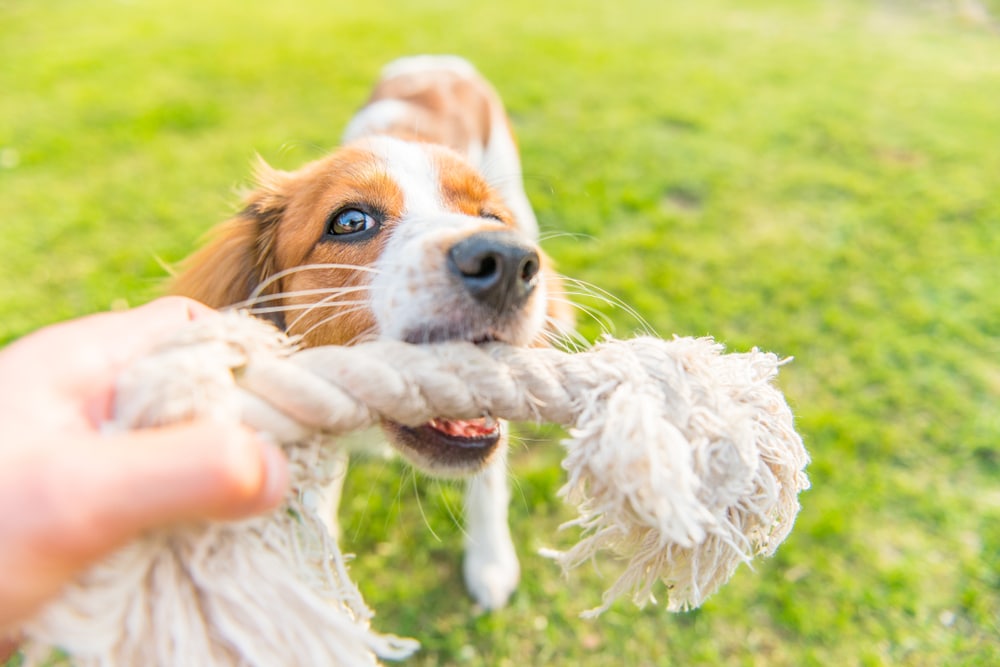
It is a wonderful thing watching your dog or cat launch into a serious play session, batting a toy around or giving a good chew that makes their tail wag. We know how much joy these simple moments bring, and we want to help you protect your pet’s happy, healthy mouth so they can keep enjoying playtime for years to come. Unfortunately, some common toys, while seemingly fun and durable, can actually be chipping away at their teeth or putting stress on their gums. Understanding which textures and materials are safe is important because poor dental health can affect more than just your pet’s ability to chew; it can lead to bigger health issues down the road.
Choosing the right toys is an important part of preventative health care for your pet’s teeth, and we are here to guide you toward the best choices. At Central Kentucky Veterinary Center, an AAHA accredited practice, we focus on providing caring and compassionate care to dogs, cats, and exotics, which includes helping you navigate everyday pet ownership decisions like safe playtime. We offer a full range of services, including dental cleanings and extractions, and we believe in using modern, empathetic approaches to keep your pet healthy. If you have questions about your pet’s oral health or want to learn more about our services, please feel free to contact us or request an appointment to discuss their preventative health plan.
Are Popular Dental Chews Really Safe?
Short answer: some are, some aren’t. Hard chews and tough toys can help scrape away plaque, but overly hard materials can crack teeth and cause painful mouth injuries.
- Many dogs love bones, antlers, and rigid nylon toys, yet the potential dangers of popular dog chews include fractured teeth and choking.
- Dental toys work best when they bend, compress, or have a gentle texture that massages gums without grinding enamel.
- Cats also benefit from softer textures and dental diets, not rigid plastics or sharp-edged toys.
At Central Kentucky Veterinary Center, preventive choices are part of a bigger wellness picture. Dental cleanings and advice are integrated into our services, so you get individualized recommendations that match your pet’s age, bite, and chewing style.
What Do Dental Toys and Treats Actually Do?
Dental toys and chews help in simple, mechanical ways. As your pet chews, the surface can wipe plaque from tooth crowns and stimulate blood flow in gums. The key here is that your pet has to chew on them- not just chomp and swallow- for it to work.
- Not all products are equal; size, shape, texture, and time spent chewing influence how well they work.
- Options include textured rubber toys, enzymatic chews that break down plaque, crunchy treats that crumble rather than splinter, puzzle feeders that slow eating, and rawhide alternatives designed to soften safely.
- Choose items that slightly give under pressure. If a toy is harder than teeth, it raises the risk of damage.
- Always supervise your pet with new toys; some dogs will use the same toy for life, while others destroy it in seconds.
You can get a sense of safer categories by browsing this list of the type of chew toys safe for dogs. For personalized guidance, our doctors fold chew choices into nutrition and dental plans during wellness visits, and you can request an appointment to tailor options for your pet’s mouth and habits.
How Do You Spot Scientifically Backed Dental Products?
Look for the VOHC seal. The VOHC evaluates chews, diets, gels, and rinses to confirm they reduce plaque or tartar in real studies, which helps you shop with confidence.
- VOHC acceptance applies to both dogs and cats and spans treats, diets, and oral care products.
- Products that earn the seal have demonstrated benefit; that doesn’t mean they’re perfect for every pet, but it’s a reliable starting point.
In our pharmacy, you can find some of our favorite dental chews for dogs like Oravet, CET VeggieDents, CET HEXtras, and Purina Pro Plan Dental Chewz. When we recommend home dental tools, we consider jaw size, bite, prior dental history, and chewing intensity. Our goal is a mix of VOHC-approved items and gentle textures that fit your pet’s routine, with professional care timed to their needs.
When Does Chewing Become Dangerous?
If a toy is too hard, sharp, or breaks into long strings or chunks, it can cause injuries. Call a vet promptly for oral pain, bleeding, foul odor, swelling, or if a toy fragment is swallowed. Watch for these common toy issues:
- Fractured teeth often come from bones, antlers, or rigid nylon. These risks of fractured teeth are common in strong chewers.
- Gum and palate cuts happen with sticks or toys with sharp seams like nylon toys that have been gnawed into sharp points
- Toy fragments and threads can be swallowed and cause blockages; watch for vomiting, lethargy, or loss of appetite.
- Abrasive surfaces can wear enamel and expose sensitive dentin, leading to pain and sensitivity. The fuzz on tennis balls falls into this category- be aware of potential enamel loss for dogs who constantly carry around balls.
- In cases where pets have bone loss around the jaw due to periodontal disease, mandibular fractures can occur when they chew on hard objects.
- Even chewing on cardboard or sticks can cause issues when fragments become jammed between the teeth
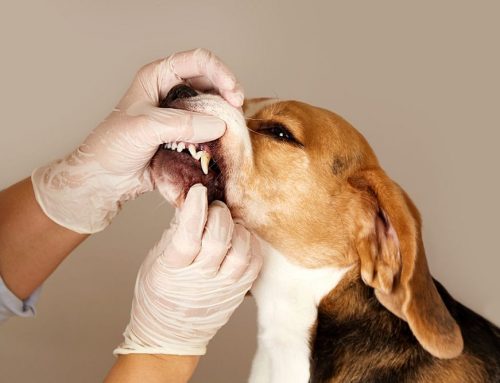
Treatment depends on the injury. A thorough oral exam often includes imaging because dental X-rays are needed to see roots and bone that cannot be evaluated visually. Managing breaks can involve stabilization or extraction of fractured teeth.
At Central Kentucky Veterinary Center, advanced imaging such as CT helps clarify complex dental and jaw issues, and to plan care when fractures or deep infections are suspected. If your pet shows oral pain, bleeding, or swelling, please contact us so our team can advise next steps and arrange timely care.
Safer Chew Alternatives for Dogs and Cats
Healthier chewing starts with materials that compress and textures that clean without grinding. Choose sizes that match your pet’s mouth and avoid toys small enough to swallow.
- For dogs, flexible rubber designs like KONG Dental can provide a safe, satisfying chew. Enzymatic rawhide alternatives that soften as they’re chewed and VOHC-approved dental chews are good options for many dogs.
- For cats, look for VOHC-accepted dental diets and treats, plus enrichment toys that reward batting, pouncing, and gentle gnawing rather than hard biting.
If you are unsure where to start, our team can walk you through choices and help pair your pet’s chewing style with safer, effective options.
Can Dental Chews Replace Professional Dental Care?
No. Chews only clean the surfaces you can see. Plaque and tartar below the gumline cause periodontal disease, which requires professional care.
- Comprehensive cleanings include scaling, polishing, dental X-rays, and a full oral exam under anesthesia for a thorough and comfortable experience.
- We follow established standards like AAHA anesthesia and dental cleaning guidelines to keep pets safe while ensuring a complete assessment.
- If your pet is due for a visit, consider timing it with National Pet Dental Health Month
Central Kentucky Veterinary Center performs anesthetic dental cleanings with modern equipment and a gentle approach. To plan your pet’s next dental, you can request an appointment and we will tailor the schedule to their needs.
What Are the Signs Your Pet Has a Chew-Related Dental Problem?
If your pet is avoiding toys or food, their mouth may hurt. Seek care if you notice any of the following, especially after introducing a new chew or toy.
- Dropping toys or refusing to chew
- Blood on toys or gums
- Facial swelling or bad breath
- Pawing at the mouth or avoiding crunchy food
These signs warrant an exam to prevent complications. For quick guidance on whether your pet should be seen promptly, please contact us, and our team will walk you through next steps.

How Do You Build a Safe Home Dental Routine?
A simple routine keeps teeth healthier between professional cleanings. Start small and stay consistent.
- Inspect toys weekly for frayed strings, cracks, or sharp edges; discard damaged items.
- Supervise play, especially with new chews, to ensure your pet is using them safely.
- Choose VOHC-approved products for reliable plaque control.
- Brush your pet’s teeth several times a week with a pet-safe toothpaste; go slowly and reward cooperation.
- Schedule professional cleanings as recommended based on age, breed risk, and prior dental history.
Your Pet’s Smile Matters All Year
Healthy chewing is about smart choices and a bit of supervision. Gentle textures, VOHC-approved options, and regular professional dental care keep your pet comfortable and ready to play.
We are here to help you choose safer toys and design a dental routine that fits your life. If you have concerns or want to schedule a dental consultation, please request an appointment. If something seems off with your pet’s mouth, contact us and our team will help you decide the right next step.




Leave A Comment