

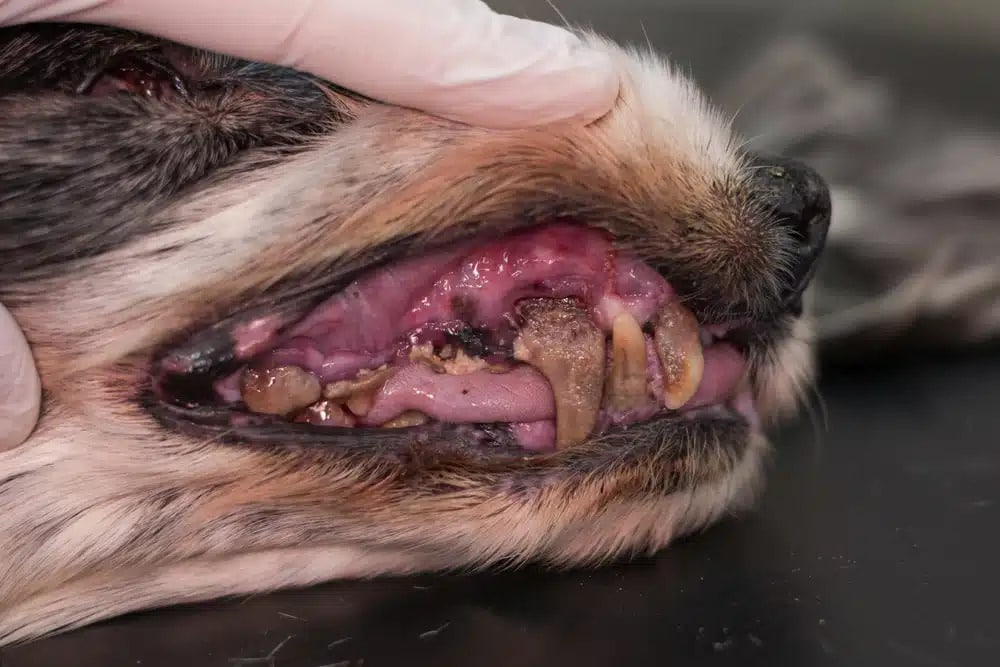
Canine Teeth: Why These Teeth Matter More Than You Think
Those long, pointed teeth near the front of your pet’s mouth are not just for looks. Canine teeth play a major role in how dogs and cats eat, carry objects, and protect their mouths during everyday play. Because they have deep roots and handle a lot of pressure, they are also some of the most important teeth to monitor for damage, infection, and painful fractures.
Canine tooth problems are common, and they are not always obvious. A small chip, a worn-down tip, or a tooth that quietly dies after trauma can lead to serious discomfort and hidden infection. The good news is that with early detection and the right treatment plan, most pets can return to normal chewing, eating, and play without ongoing pain.
At Central Kentucky Veterinary Center, our team evaluates canine tooth health with thorough oral exams, dental X-rays, and advanced imaging when needed. If you have noticed changes in chewing, tooth discoloration, swelling, or bad breath, we can help you get clear answers. You can request an appointment anytime.
Why Are Canine Teeth So Important for Dogs and Cats?
Canine teeth are the long, pointed teeth near the front of the mouth in both dogs and cats. They help your pet grasp, hold, and tear, so damage here affects eating, play, and comfort. Early detection and treatment protect your pet from pain, infection, and avoidable complications.
Gentle, routine pet dental care reduces risk and keeps these key teeth strong, and our AAHA standards guide thorough oral exams with treatment plans tailored to your pet. We provide comprehensive dental assessments, including cleanings, extractions, oral surgery, digital radiography, CT imaging, and pain management. When your pet’s mouth hurts, we focus on comfort and long-term function.
How Are Canine Teeth Built and Why Does That Matter?
Canine teeth have long roots set deep in the jaw, a curved shape for gripping, and a tough enamel shell protecting sensitive inner layers. Their size and position make them essential for daily life and more vulnerable to specific injuries. The tooth you see is only about half the actual size- the root is often longer than what’s actually visible!
Baby canine teeth, called deciduous teeth, should fall out as adult teeth erupt. Retained baby teeth, common in small breed dogs, can crowd or damage adult teeth and sometimes require deciduous tooth removal. During wellness visits, we examine tooth position, gum health, and bite, and use imaging to spot hidden problems when needed. Our services always emphasize a gentle, thorough approach so your pet stays comfortable while we get clear answers.
What Causes Canine Tooth Fractures and Why Does Fast Care Matter?
Fractures usually come from chewing hard objects, sudden trauma, or accidents, and even small chips can become big problems if ignored. Cracked enamel exposes the inner tooth, which can be painful and lead to infection.
- Common risks include weight-bearing bones, antlers, hard nylon toys, or rocks. The risks of fractured teeth rise with harder items.
- A chipped tooth may look minor, but damage can extend deeper than you can see.
- When the pulp is exposed or damaged, pulpitis (inflammation of the tooth pulp) can develop, causing significant pain and potentially leading to tooth death if left untreated.
- Pets mask mouth pain well, so changes in chewing or play should not be brushed off. A tooth that has changed color, turning gray, pink, or purple, is often a sign of internal damage. Knowing what to do when you see a tooth a different color can help you act before the problem worsens.
If you notice worn, broken, and fractured teeth, we assess the tooth, take imaging as needed, and discuss options like restoration, root canal therapy, or extraction.
When Does Normal Tooth Wear Become a Problem?
Wear happens when teeth grind against hard surfaces or against each other. Mild smoothing is normal with age, but excessive wear removes enamel, exposes dentin, and can lead to sensitivity or infection. Dogs with teeth that are worn down significantly may need protective treatments to prevent further damage and discomfort.
Abnormal bites, known as malocclusion, cause teeth to rub in ways they should not, wearing canines unevenly. While those underbites are cute, they can cause serious problems over time. We may recommend removal of certain teeth that are rubbing against each other to prevent inappropriate wear and allow your pet to chew normally.
In every appointment, we check for wear and fractures, evaluate bite alignment, and discuss chewing behavior and toy choices.
How Do You Recognize Tooth Infections and Abscesses Early?
Infections often follow fractures that expose the pulp, advanced gum disease (called periodontal disease), or penetrating trauma. The stages of periodontal disease progress from plaque and gingivitis to infection around the root, causing bone loss and tooth instability. A tooth root abscess is a pocket of infection at the base of the root, and it hurts. Signs of a tooth abscess include facial swelling, drainage, pain, and avoiding hard food.
We treat infections with targeted dental procedures, pain control, and often extraction or endodontic care when indicated. Our clinicians choose the safest, most comfortable path using imaging and surgical expertise to guide them.
What Are Tooth Resorptive Lesions and Why Are They So Common in Cats?
Tooth resorption is one of the most common and painful dental conditions in cats, affecting an estimated 20 to 60 percent of all cats at some point in their lives. It also occurs in dogs, though less frequently. Resorptive lesions develop when the body’s own cells begin breaking down and absorbing tooth structure, starting at the root or along the surface where the gum meets the tooth; the process is progressive and painful. As the lesion advances, it erodes enamel and dentin, eventually exposing the sensitive pulp and nerve tissue inside the tooth.
The challenge is that resorptive lesions often develop below the gum line where they are invisible without dental X-rays. A tooth may look completely normal on the surface while the root is being actively destroyed underneath. This is one of the most important reasons we recommend dental radiographs as part of every professional dental cleaning.
Treatment depends on the type and severity of the lesion. In most cases, extraction is the best option to relieve pain and prevent further damage. Because resorptive lesions can affect any tooth, including the canines, routine dental exams with radiographs are essential for catching them early.
What Serious Complications Can Untreated Tooth Problems Cause?
Untreated canine tooth problems can lead to issues that are tough on pets and stressful for families. Quick action prevents most complications. Upper canine infections can cause oronasal fistulas, creating abnormal openings between the mouth and nose, which may lead to sneezing food or nasal discharge. Severe disease in the lower jaw can weaken bone and contribute to mandibular fractures, especially in small dogs. If we see signs that trouble is brewing, we outline clear steps to stop progression so you know exactly what to expect.
Why Are Dental X-Rays Essential for Canine Teeth?
You cannot fully diagnose canine tooth problems by looking at the crown alone. Roots, bone loss, resorptive lesions, and abscesses hide under the gums, which is why imaging is essential.
- Dental radiographs show root shape, fractures below the gum, bone health, and infection.
- CT imaging can help map tooth roots or nearby structures in complex cases.
Our hospital uses digital radiography and, when indicated, advanced imaging such as Computed Tomography to make confident decisions. Imaging guides treatment and reduces surprises.
What Treatment Options Relieve Pain and Restore Function?
Treatment depends on the type of damage, infection, and your pet’s overall health. The goal is always comfort, function, and preventing future problems.
- Extraction: Removes the painful or infected tooth. Often recommended when the tooth is fractured with exposed pulp, the root is severely affected, or resorptive lesions have caused significant damage.
- Root canal therapy: Preserves the tooth’s function while removing infected tissue and sealing the canal. Considered for strategic teeth like canines when anatomy and health allow.
- Restorative care: Smooths and seals cracks or wear to protect dentin. Used for minor damage if the pulp is not exposed.
- Pain management and recovery: Expect a short recovery with guidance on soft food, activity, and follow-up checks.
We provide dental surgery, pain control, and advanced diagnostics as part of our integrated services. If a specialized endodontic procedure is best, we discuss options and coordinate a seamless plan.
What Signs of Canine Tooth Problems Can You Watch for at Home?
Pets rarely complain about mouth pain, but they show us in subtle ways. If you notice these signs, it is worth scheduling an evaluation.
- Facial swelling or drainage
- Dropping food, chewing on one side, or refusing hard treats
- Pawing at the mouth or rubbing the face
- Bleeding gums or visible cracks and chips
- A tooth that has turned gray, pink, or purple
- A pinkish spot at the gum line, which may indicate a resorptive lesion
- Bad breath or sudden changes in eating and play
Timely care prevents complications and keeps your pet comfortable. If you are seeing any of these changes, please contact us and we will help you decide next steps, including prompt appointments during our extended hours.
How Can You Prevent Canine Tooth Damage With Smart Chew Choices?
Most fractures are preventable. The “kneecap test” helps: if you would not want to be hit in the kneecap with it, your pet should not chew it.
Choose wisely by avoiding inappropriate chew items such as antlers, bones, hooves, and hard nylon toys. Even tennis balls deserve a closer look. While they seem soft, the fuzzy exterior acts like sandpaper and can gradually grind down enamel over time, especially in dogs who chew them obsessively.
Look for dental chews reviewed by the VOHC for safety and plaque control, and supervise chewing, especially with vigorous chewers and puppies. We have a wide range of vet-trusted dental chews available in our online pharmacy. Rotating toys and tailoring selections to your dog’s bite and habits keeps play fun without putting teeth at risk. During visits, we can recommend safe chew options suited to your pet’s age and routine. Our goal is long-term oral comfort without losing the joy of play.
How Do You Keep Canine Teeth Healthy for the Long Run?
Long-term mouth health is built on small, consistent habits and regular veterinary support. Most canine tooth problems can be prevented or successfully treated when caught early.
- Choose safe, VOHC-reviewed chews and avoid hard objects
- Brush teeth at least three times a week- daily is best!
- Keep up with professional cleanings and dental exams as recommended
- Seek evaluation quickly for chips, chewing changes, discoloration, or swelling
- Pair your at-home care with veterinary guidance tailored to your pet’s age, breed, and bite
We are AAHA accredited, which means our protocols, equipment, and training meet rigorous standards for safe, compassionate care. If you would like to set up an exam or discuss your pet’s chewing habits and tooth health, you can request an appointment and our team will guide you each step of the way.

FAQs: Quick Answers for Pet Owners
What if my dog chipped a tooth but seems fine?
Small chips can hide deeper damage. It is smart to schedule an exam and discuss imaging if needed.
Are dental X-rays safe for pets?
Yes. Dental X-rays use a brief, focused dose to see roots and bone that are not visible during an exam.
Which chews are safest?
Avoid very hard items like antlers and hooves. Look for VOHC accepted products and ask us for personalized suggestions.
Do cats get canine tooth problems, too?
They can. Cats are especially prone to resorptive lesions, which can affect any tooth including the canines. Swelling, bad breath, jaw chattering, and changes in eating or grooming are common red flags in cats.
Should I worry if my pet’s tooth has changed color?
Yes. A tooth that turns gray, pink, or purple often indicates internal damage or pulp death and should be evaluated by your veterinarian as soon as possible.
What are resorptive lesions and can they be prevented?
Tooth resorption occurs when the body breaks down its own tooth structure. It is extremely common in cats and there is currently no known way to prevent it, which makes routine dental exams with X-rays the best tool for catching lesions early and treating them before they cause significant pain.
Ready to Protect Your Pet’s Canine Teeth?
Healthy canine teeth keep your pet eating comfortably, playing happily, and living well. If you have noticed chips, wear, discoloration, or swelling, acting now prevents pain and bigger problems. We are here to listen, assess gently, and create a plan that fits your pet and your household. To get started, please request an appointment or contact us with questions about your pet’s mouth.




Leave A Comment