

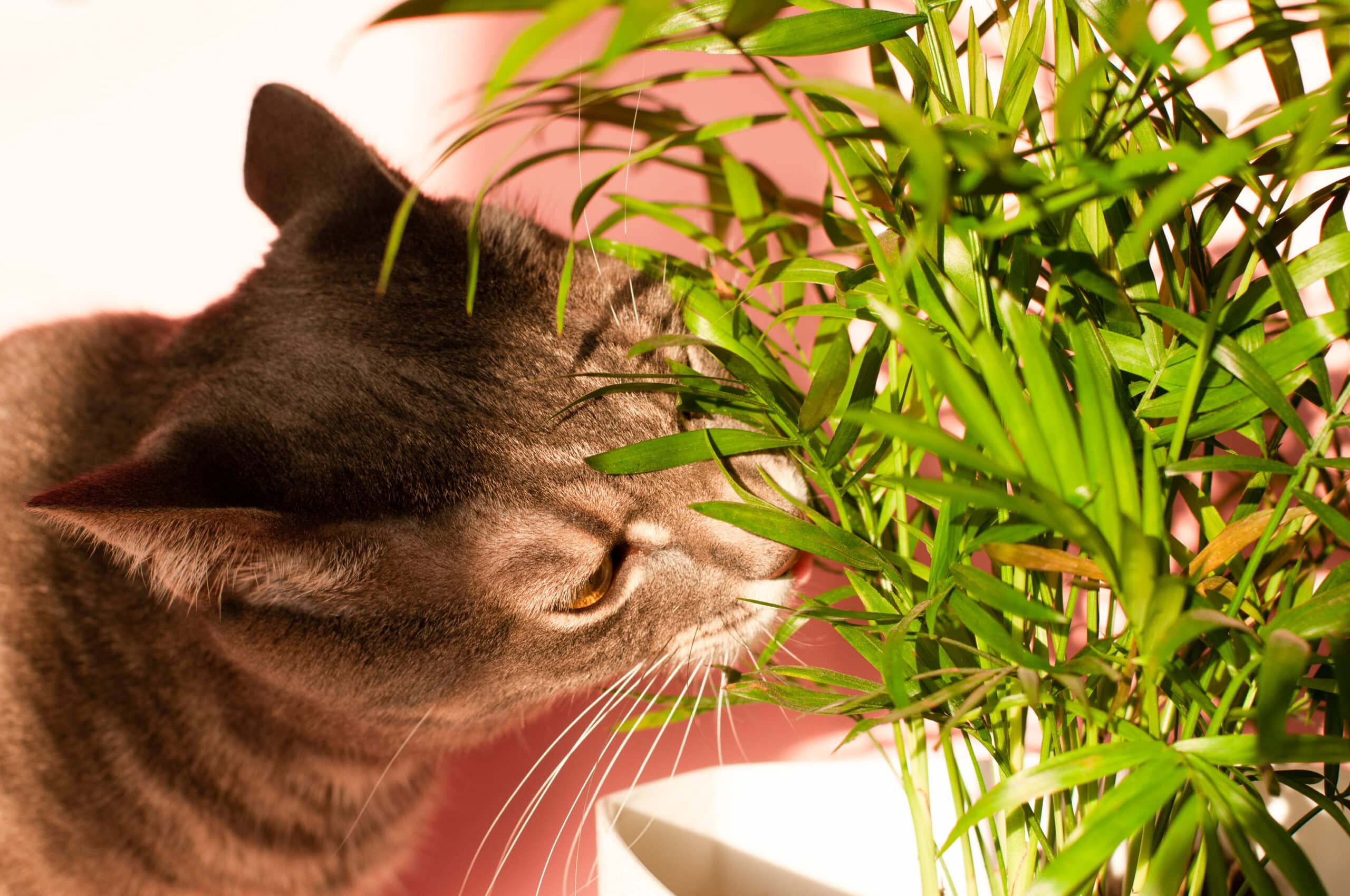
It is easy to assume that the plants brightening your windowsill or lining your garden beds are perfectly harmless. But have you ever wondered which common plants could actually make your pet sick? The truth is, dozens of popular houseplants and outdoor favorites contain compounds that range from mildly irritating to life-threatening for dogs, cats, and exotic pets.
The good news is that with a little awareness and some simple adjustments, you can keep your home green and your pets safe. If your pet does get into something they should not have, acting quickly makes all the difference. Our team at Central Kentucky Veterinary Center is equipped to handle toxic plant exposures and can guide you through next steps the moment you call.
What Should You Do If Your Pet Eats a Toxic Plant or Mushroom?
Discovering that your pet has chewed on or swallowed a harmful plant can be frightening. Having a plan helps you respond calmly and effectively.
- Remove any remaining materialfrom your pet’s mouth if you can do so safely.
- Identify the plant or mushroom. Take photos. The Facebook group “Poisons Help; Emergency Identification for Mushrooms & Plants” is a free, reliable resource run by experts, and is directly recommended by Poison Control when you aren’t 100% positive of the type of plant or mushroom ingested; mushrooms are especially hard to identify properly. Follow the posting guidelinesto ensure you include all needed information for the experts to make an accurate ID.
- Do not induce vomitingunless specifically instructed by a veterinarian. Some toxins cause additional damage on the way back up.
- Call a 24/7 poison control hotlinestaffed by veterinary toxicology experts. They can guide you through a toxic exposure. These services may charge a consultation fee, and the expert guidance they provide is invaluable in an emergency. They can determine how serious the exposure is, recommend first steps, and communicate directly with our veterinary team to coordinate your pet’s care. We encourage you to call poison control and our clinic together. Two trusted resources are:
- Notify your veterinarian.If you choose to call your vet before Poison Control, be aware that they may also call them before proceeding with treatment. You can contact Central Kentucky Veterinary Center at (502) 863-0868. With our extended evening and weekend hours, we are available when emergencies happen.
Which Houseplants Are Dangerous for Dogs and Cats?
Some of the most beloved indoor plants happen to be some of the most hazardous for pets. Knowing which ones to watch for is the first step in keeping your home safe.
Lilies top the list for cat owners. True lilies, including Easter lilies, tiger lilies, and Asiatic lilies, are extremely toxic to cats. Even a small nibble on a leaf or a sip of water from the vase can cause kidney failure. Any lily exposure in a cat requires immediate veterinary attention.
Sago palms are another high-risk plant. Every part of the sago palm is poisonous, but the seeds are the most concentrated. Ingestion can lead to severe liver damage in both dogs and cats.
Other common indoor plants to be aware of include:
- Pothos and philodendron: Contain calcium oxalate crystals that cause oral pain, drooling, and swelling
- Dieffenbachia (dumb cane): Causes intense burning and irritation in the mouth and tongue
- Peace lilies: Less dangerous than true lilies, but still cause oral irritation, drooling, and vomiting
You should check the full list of toxic and non-toxic plants before bringing anything new into your home. And if you ever suspect your pet has chewed on a questionable plant, do not wait for symptoms. Call our team right away so we can help determine the level of risk.
What Outdoor and Garden Plants Should Pet Owners Avoid?
Your yard and garden can present just as many risks as your living room. Many classic landscaping plants contain compounds that are harmful to pets, and Kentucky gardens are no exception. Researching plants to avoid in gardens with pets before your next trip to the nursery can save you a lot of worry.
Azaleas and rhododendrons are common across Central Kentucky and contain grayanotoxins that can affect the heart, cause vomiting, and lead to collapse. Oleander is another serious concern, as every part of the plant is highly toxic and ingestion can cause fatal heart rhythm changes.
Other outdoor plants to keep on your radar include:
- Foxglove: Contains cardiac glycosides that affect heart function
- Autumn crocus: Can cause severe gastrointestinal distress, organ damage, and bone marrow suppression
- Tulip and daffodil bulbs: The bulbs are the most toxic part and are especially risky for dogs who like to dig
- Yew: Nearly all parts of the yew plant are poisonous and can cause sudden cardiac arrest
Seasonal planting is a great time to review your choices. There are many beautiful, pet-safe alternatives that thrive in our Kentucky climate. Our team at Central Kentucky Veterinary Center can also discuss which local plants pose the highest risk.
Can Store-Bought Bouquets Be Dangerous for Pets?
Fresh flowers brighten a room, but a bouquet from the grocery store or florist can carry risks that are easy to overlook. Premade arrangements often mix pet-safe blooms with toxic varieties, and ingredient labels are rarely included.
Lilies are the biggest concern. If you have cats, it is safest to avoid bringing any bouquet containing true lilies into your home. Other flowers commonly found in arrangements that can cause problems include:
- Baby’s breath:Causes vomiting and diarrhea in dogs and cats
- Carnations:Mild toxicity leading to gastrointestinal upset and skin irritation
- Chrysanthemums:Contain pyrethrins that can cause drooling, vomiting, and coordination problems
The vase water itself is another often-missed hazard. Flower food packets contain preservatives and sometimes small amounts of bleach or citric acid. As stems sit in water, plant compounds leach into it. Cats who drink from vases are exposed to a concentrated mix that can cause stomach upset or worse, depending on the flowers involved.
Are Marijuana Plants and Products Dangerous for Pets?
With expanding legalization and growing availability of cannabis products, marijuana toxicity in pets is becoming more common. THC, the psychoactive compound in marijuana, affects pets much more intensely than humans. Dogs are especially sensitive. Exposure can happen through nibbling on a marijuana plant, eating edibles, or ingesting discarded products. Symptoms may include:
- Stumbling or loss of coordination
- Dilated pupils
- Drooling
- Urinary incontinence
- Tremors or seizures in severe cases
It is important to keep all cannabis products, including edibles, oils, and plant material, stored securely where pets cannot access them. If your pet does get into a marijuana product, please be honest with our team. We are here to help your pet, not to judge. Open communication helps us provide the fastest, most effective treatment possible.
Why Are Grapes and Raisins So Dangerous for Dogs?
Grapes and raisins may not be the first things you think of when you hear “toxic plants,” but they come from grapevines and deserve serious attention. Grape and raisin toxicity in dogs can cause acute kidney failure, and even a small amount can be dangerous. Some dogs will sample backyard grapevines, and if the fruit has dried in the sun, the risk is higher.
What makes this toxicity tricky is its unpredictability. Some dogs eat a grape or two with no obvious effects, while others become critically ill from the same amount. Recent research has identified the toxic component in grapes and raisins as tartaric acid, though the exact reason some dogs are more susceptible remains unclear.
Because of this unpredictability, every grape or raisin exposure should be treated as an emergency. If your dog eats any amount, call us immediately. Prompt decontamination and supportive care at our clinic can prevent kidney damage before it starts.
What Are the Signs of Plant Poisoning in Pets?
The symptoms of plant toxicity can vary depending on what your pet ate, how much they consumed, and their size and species. Some signs show up within minutes, while others may not appear for hours or even days.
Common symptoms to watch for include:
- Vomiting or diarrhea
- Excessive drooling
- Loss of appetite or refusal to eat
- Lethargy or unusual tiredness
- Tremors or muscle twitching
- Seizures
- Difficulty breathing
- Changes in urination (increased, decreased, or none at all)
Cats tend to be more vulnerable to certain plant toxins than dogs. Lily ingestion in cats, for example, can cause kidney damage that may not be obvious right away.
The key takeaway is this: if you notice your pet eating a plant, identify it and check to see if it’s toxic.
If you see any sudden change in your pet’s behavior and there is any chance they got into a plant, do not wait. Contact Central Kentucky Veterinary Center right away. Early intervention gives us the best chance to help.
What About Wild Mushrooms in Your Yard?
Wild mushrooms pop up quickly after rain, and Central Kentucky’s warm, humid stretches create ideal growing conditions. Most backyard mushrooms are harmless, but the problem is that identifying toxic species is extremely difficult, even for experienced foragers. Some of the most dangerous mushrooms look nearly identical to harmless ones, and a single bite of the wrong variety can cause organ failure.
Dogs are at the highest risk because they tend to investigate with their mouths. Toxic mushrooms cause a range of problems depending on the species:
- Gastrointestinal toxinscause vomiting, diarrhea, and abdominal pain within a few hours of ingestion. These cases are uncomfortable but usually treatable with prompt care.
- Hepatotoxic mushrooms(liver-damaging), including Amanita species, are the most dangerous. Symptoms may not appear for 6 to 24 hours, and by the time a pet looks sick, significant liver damage may already be underway.
- Neurotoxic mushroomscan cause tremors, seizures, disorientation, and abnormal behavior.
- Nephrotoxic varietiestarget the kidneys and can cause delayed organ failure.
The delay between ingestion and symptoms is what makes mushroom poisoning especially dangerous. A dog can eat a toxic mushroom in the morning, seem perfectly fine all day, and become critically ill that evening.
To protect your pet:
- Walk your yard regularly and remove any mushrooms that appear, especially after rain
- Pull mushrooms at the base rather than mowing over them, which can scatter pieces
- Keep your dog leashed in wooded areas or unfamiliar parks where mushrooms grow
If you see your pet eat a wild mushroom, or even suspect they may have, treat it as an emergency. Collect as much of the mushroom as possible to aid in identification; take pictures of the stem, cap, and gills (underside) to submit to the plant and mushroom emergency ID Facebook group. Do not wait for symptoms to appear. What isn’t an emergency:sniffing, licking, or coming into physical contact with a mushroom without eating it.
Contact Central Kentucky Veterinary Center immediately if your dog has eaten a toxic mushroom. Early decontamination and supportive care give us the best window to prevent serious organ damage.
Are Fertilizers and Pesticides a Hidden Risk for Pets?
Plants themselves are not the only danger in your home and garden. The products used to help them grow can be just as harmful. Fertilizers, herbicides, insecticides, and fungicides all pose risks to curious pets who sniff, lick, or walk through treated areas.
Many lawn and garden fertilizers contain ingredients like bone meal, blood meal, or organophosphates that are attractive to dogs and can cause vomiting, diarrhea, or more serious toxicity if eaten in large amounts. Bone meal and blood meal smell appealing and can cause gastrointestinal blockages or pancreatitis when consumed. Cocoa-based fertilizers carry an added risk because they contain theobromine, the same compound that makes chocolate dangerous for dogs.
Pesticides and herbicides present their own concerns. Pets can be exposed by walking across a freshly treated lawn, chewing on sprayed plants, or grooming chemicals off their paws. Cats are especially vulnerable to certain insecticides, including pyrethrins and permethrin-based products, because they lack the liver enzymes needed to break these compounds down safely.
If your pet has eaten fertilizer, chewed on a treated plant, or is showing signs like vomiting, drooling, tremors, or difficulty breathing after being in a treated area, contact Central Kentucky Veterinary Center right away.
What Does Treatment for Plant or Mushroom Toxicity Look Like?
If your pet does ingest a toxic plant or mushroom, treatment will depend on the type, how much was consumed, and how quickly care begins. Treatment may include:
- Decontamination: Induced vomiting (performed safely by our team) or activated charcoal to reduce toxin absorption
- IV fluids: To support kidney function and flush toxins from the body
- Medications: To manage symptoms like nausea, pain, or seizures
- Monitoring: Blood work and observation to watch for delayed organ effects
Pets who receive treatment early, especially within the first few hours, tend to have much better outcomes. Some toxicities are very treatable when caught quickly, while others require more intensive care.
As an AAHA-accredited practice, Central Kentucky Veterinary Center maintains the highest standards of emergency and critical care. Our team has the training, equipment, and experience to handle toxic exposures and give your pet the best possible chance at a full recovery.
How Can You Create a Pet-Safe Home and Garden?
Prevention is always the best medicine. With a few thoughtful changes, you can enjoy plants and greenery while keeping your pets out of harm’s way.
Inside your home:
- Place plants on high shelves or in hanging baskets well out of reach
- Choose pet-safe alternatives like spider plants, Boston ferns, or African violets
- Use deterrent sprays on pots if your pet is a known plant chewer
- Keep floral arrangements with lilies completely out of homes with cats
In your yard and garden:
- Research every plant before adding it to your landscape
- Fence off garden beds if your pet likes to dig
- Be cautious with mulch, as cocoa mulch is toxic to dogs
- Remove mushrooms as soon as you see them
- Supervise your pet during outdoor time, especially in new environments
- Don’t use toxic herbicides, pesticides, or fertilizers
During your next wellness visit, our team is happy to talk through plant safety questions for your home and yard.

Your Partner in Keeping Pets Safe From Toxic Plants
Protecting your pet from toxic plants starts with awareness and a willingness to make small changes at home. While the list of potentially harmful plants can feel overwhelming, most exposures are preventable with a little planning. And when accidents do happen, quick action and expert veterinary care make all the difference.
At Central Kentucky Veterinary Center, we are committed to being here when you need us, whether that is a routine wellness check or an urgent call about something your pet just ate. Our extended hours, advanced treatment capabilities, and compassionate approach mean you always have a partner in your pet’s safety.
If you have questions about toxic plants or your pet has been exposed to something concerning, reach out to us or call (502) 863-0868. We are here to help.



Leave A Comment