


You took your dog on a long walk, played fetch until your arm was sore, and they still chewed up the remote. Sound familiar? Here’s the thing: physical exercise wears out bodies, but it doesn’t always satisfy minds. A dog who runs for miles can still destroy furniture out of sheer boredom if their brain isn’t getting a workout too. And that cat who sleeps 18 hours a day? They might not be content. They might just have nothing interesting to do.
Mental enrichment gives pets a chance to problem-solve, explore, and tap into their natural instincts. Without it, you often see behaviors that look like disobedience but are really just a bored pet trying to create their own entertainment.
At Central Kentucky Veterinary Center in Georgetown, we weave enrichment conversations into our AAHA-accredited wellness programs. We help families discover puzzle feeders, scent games, training activities, and environmental changes that prevent the destructive behaviors, excessive barking, or compulsive habits that come from understimulated minds. For dogs recovering from surgery or injury, our canine rehabilitation services include gentle mental activities when physical exercise has to wait. Because enrichment isn’t really about buying more toys. It’s about meeting the mental needs that shape your pet’s behavior and happiness. Request an appointment and we’ll help you find strategies that fit your pet’s species, age, and lifestyle.
Why Does Mental Enrichment Matter So Much?
Enrichment is anything that lets your pet do what comes naturally: sniffing, foraging, exploring, figuring things out. These activities aren’t extras or luxuries. They support emotional balance and keep brains healthy.
When pets get regular mental stimulation, they’re often calmer, more focused, and more confident. Think of it as feeding a different kind of hunger. Your dog might chase a ball for an hour and still pace around the house restlessly because their brain is saying, “Okay, but what’s next?” A cat who naps all day might not be relaxed. They might just be bored out of their mind.
How Can You Tell If Your Pet Needs More Mental Stimulation?
Every pet is different, so watch for changes from what’s normal for yours. Common signs include:
- Restlessness: Pacing, can’t settle down, constantly changing positions
- Destructive behavior: Chewing furniture, digging at carpets, shredding things they shouldn’t
- Excessive grooming: Licking or scratching so much they create bald spots
- Attention-seeking: Non-stop barking, meowing, or pawing at you
- Withdrawal: Sleeping way more than usual or avoiding interaction
Some pets get wired when they’re bored. Others shut down completely. Both can mean their minds need more to do.
Here’s a helpful tip: take short videos or jot down notes when you notice these behaviors. Bring them to your next visit so we can rule out medical causes and build a practical enrichment plan together. Our team looks at behavior alongside physical health because the two are deeply connected.
What Works Best for High-Energy Dogs?
If you have an active dog, the secret is giving them a “job.” That busy brain needs something to focus on, or it’ll find something on its own (usually something you’d rather they leave alone).
Try these ideas:
- Turn meals into treasure hunts. Scatter kibble around the house or yard and let your dog sniff it out instead of eating from a bowl.
- Rotate puzzles and toys. Cognitive toys for dogs keep things interesting, but only if they’re not the same ones every day. Swap them out regularly so the challenge stays fresh.
- Play scent games. Hide treats in boxes, under towels, or around the room and let your dog’s nose do the work. Scent games for canine enrichment are incredibly satisfying for dogs.
- Teach something new. A new trick, practicing commands in different rooms, or introducing unfamiliar objects all build focus and impulse control.
You don’t need hours. Even five minutes of focused brain games for dogs can settle a busy mind and build confidence. And when you’re out walking, let your dog stop and sniff. A “sniffari” walk where your dog leads with their nose burns mental energy like nothing else. Simple dog enrichment ideas can transform that restless energy into calm focus.
What About Dogs Who Can’t Be Very Active?
Senior dogs, pets recovering from surgery, and those with chronic pain still need mental engagement. They just need gentler options.
Low-impact ideas that work:
- Snuffle mats let dogs forage slowly and safely without moving around much.
- Easy food puzzles that only require nosing or gentle pawing are perfect during crate rest Simple food puzzles come in various difficulty levels.
- Observation outings in a stroller or carrier give your dog new sights and smells without any physical strain.
- Calm scent work where you place treats in different containers and let your dog figure out which one holds the prize.
One note of caution: be careful with chews during recovery periods. The potential dangers of popular dog chews like choking or digestive problems can be more likely when activity is limited.
Our canine rehabilitation services are designed to balance physical healing with mental engagement. We’ll create a plan that keeps your dog’s mind active without stressing healing tissues or surgical sites.
What Do Cats Need for Mental Enrichment?
Cats are natural hunters. In the wild, they’d spend hours stalking, chasing, and catching prey. Indoor life takes away most of those opportunities, and that pent-up hunting energy has to go somewhere. Often it shows up as aggression, litter box problems, or shredded furniture.
Ways to let your cat be a cat:
- Make them hunt for food. Hide small treats around the house instead of plopping everything in a bowl. Puzzle feeders slow down eating and engage problem-solving skills.
- Rotate toys and add variety. Swap out toys with different textures and scents. Toss in a cardboard box now and then. Try nosework and scent-based enrichment for cats to spark curiosity.
- Use catnip strategically. Some cats love the temporary burst of playfulness from catnip. Use it sparingly so it stays exciting.
- Play in short bursts. Two or three 10-minute sessions daily work better than one long marathon. Wand toys and laser pointers mimic prey beautifully, but always end with something your cat can actually “catch” so they feel successful.
During feline wellness visits, we talk about home setup, where you place resources like food and litter boxes, and enrichment strategies that reduce stress, especially if you have multiple cats sharing space.
Why Do Cats Need Vertical Space and Scratching Options?
Cats feel safest when they can survey their kingdom from above. It’s not just preference. It’s instinct. Giving them ways to climb and perch makes a real difference in their confidence and comfort.
Ideas for vertical enrichment:
- Multi-level cat trees
- Wall shelves and window perches for climbing and watching the world
- A window seat near a bird feeder for hours of “cat TV”
- Catios and safe outdoor enclosures that let your cat experience fresh air, birds, and natural sounds without the dangers of roaming free
And about scratching: it’s completely normal. Cats scratch to mark territory, stretch muscles, and shed old claw sheaths. Instead of fighting it, give them good options. Offer sisal, cardboard, and carpet surfaces in both horizontal and vertical positions. Understanding how to stop cats from destructive scratching through environmental changes works so much better than punishment ever will. Comprehensive feline environmental enrichment ideas can help you set up a cat-friendly home.
If scratching or other behaviors are causing conflict, our behavioral counseling can assess your home layout and help prevent problems before they escalate.
Can Training Itself Be Enrichment?
Absolutely, and it’s one of the best ways to bond with your pet. Training isn’t just about teaching commands. It’s quality time that challenges your pet’s brain, builds confidence, and strengthens your connection. The philosophy of positive training focuses on rewarding the behaviors you want rather than punishing mistakes, which creates pets who actually enjoy learning and are eager to try new things.
Training can also make life easier for everyone, especially when it comes to vet visits and grooming. Cooperative care teaches pets to willingly participate in nail trims, ear cleaning, and exams instead of just tolerating them. When you pair handling with treats and praise, medical care starts to feel safe and predictable rather than scary.
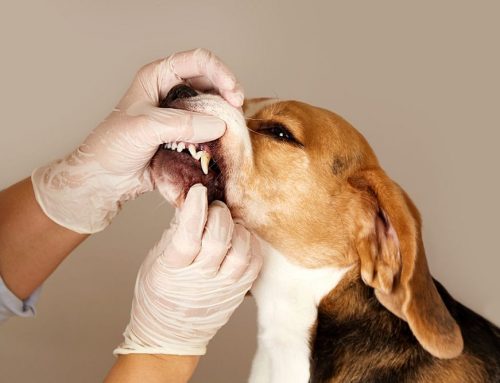
You can practice at home too. Gently touch your pet’s paws, peek in their ears, lift their lips to look at teeth, and practice brief, calm restraint. Keep sessions short, use plenty of rewards, and stop before your pet gets stressed. This kind of preparation pays off big time when your pet needs real veterinary care and already knows that being handled leads to good things.

FAQs: Quick Answers for Busy Pet Parents
What is mental enrichment, in simple terms? Activities that let your pet use their natural skills like sniffing, hunting, foraging, and problem-solving. It keeps their brain engaged and satisfied.
How often should I do enrichment activities? A little bit every day works best. Rotate through a few different activities to keep things interesting without overwhelming your pet.
Can enrichment replace walks or exercise? Nope. Your pet needs both. Physical exercise and mental work together create the calmest, happiest pets.
What if my pet seems stressed or overwhelmed by enrichment? Scale back. Pick one simple activity and build up gradually. Watch your pet’s body language and let them set the pace.
Is enrichment safe for pets recovering from surgery? Yes, as long as you stick to low-impact options. Ask us for specific ideas during rehab visits so we can match activities to your pet’s restrictions.
Building Happier, Healthier Lives Together
When you combine physical exercise with mental enrichment, you get a more balanced, satisfied pet. Problem behaviors fade. Stress drops. And your bond with each other grows stronger.
You don’t have to overhaul everything at once. Start with one or two ideas this week. Try a scent game with your dog or add a puzzle feeder for your cat. Watch for calmer behavior, better focus, and a pet who seems more content.
Every pet benefits from enrichment that’s tailored to their age, energy level, and health. Contact us to talk through strategies that fit your home and your pet’s unique personality. We love helping families figure this stuff out. Ready to get started? Schedule an appointment or reach out with questions anytime. We’re here for you both.




Leave A Comment