

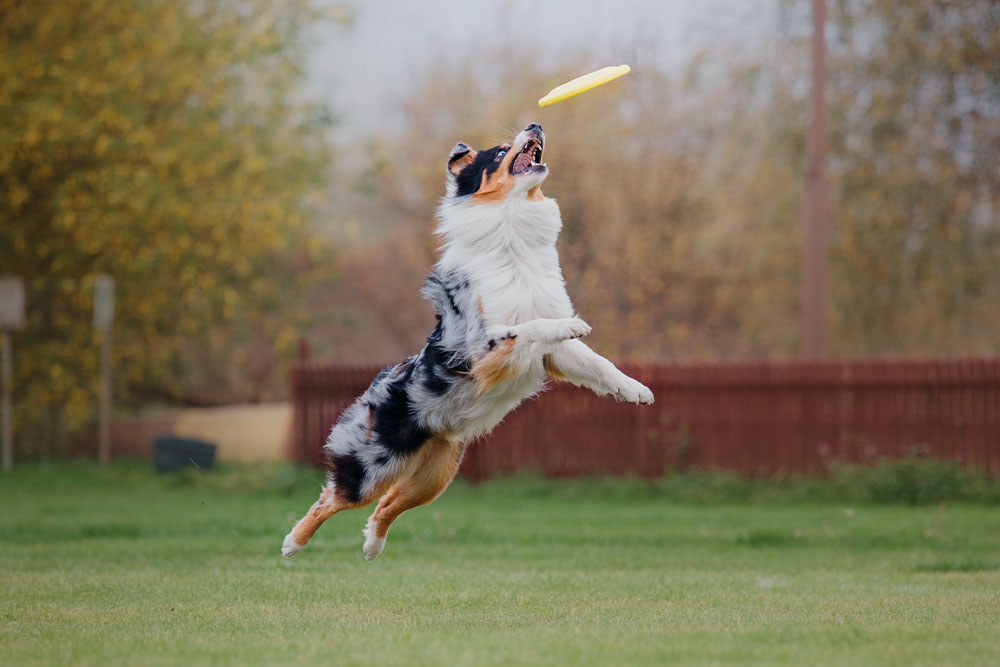
Keeping Pets Lean for Life: Prevention Strategies That Really Work
How do you know if your pet is a healthy weight, or if you’re feeding the right amount? Obesity develops gradually as extra calories add up over months and years. A few extra treats, slightly larger portions, or less activity as pets age can quietly shift a healthy weight into overweight or obese. Over time, joints ache, diabetes risk rises, and life expectancy shortens. Prevention means matching calories to your pet’s actual activity, not package averages or begging behavior.
Central Kentucky Veterinary Center integrates obesity prevention into our AAHA-accredited wellness programs. We assess body condition at every visit and track trends before weight gain becomes a problem. Through our canine rehabilitation services, we also create safe exercise plans for pets whose weight limits mobility. Prevention is easier, kinder, and far less costly than treating diabetes, arthritis, or heart disease later. Feeding the right amount matters more than premium labels, and exercise needs often rise as metabolism slows. Request an appointment to set up a smart, preventive plan.
Why Prevention Beats Treatment Every Time
Keeping your pet lean from the start is simpler than reversing years of weight gain. It’s easy to give extra snacks or skip walks, especially with those pleading eyes or busy schedules. But small choices compound into real health issues over time.
Pet obesity prevention starts with a mindset shift: extra food isn’t love if it shortens their life. Many owners don’t notice weight gain until mobility, breathing, or energy changes. By then, joints and metabolism have already been affected.
At our Georgetown practice, we fold weight checks into every wellness visit. Going on a diet isn’t fun for you or your pet- small tweaks in portions and activity now can prevent the need for strict weight-loss programs later. Our nutritional guidance helps you match feeding to your pet’s needs, not the bag’s averages.
The Real Cost of Extra Pounds
Excess weight isn’t just about looks or lower energy. It changes how the body works and shortens lifespan. Even mildly overweight pets can live nearly two years less than lean pets, and the gap grows with obesity.
Diabetes in pets often follows long-term excess calories. Once it develops, it requires ongoing insulin, monitoring, and consistent diet changes. Extra weight also strains joints and speeds arthritis, making pets hurt and move less, which fuels more weight gain.
Obesity raises surgical risks and slows healing. For short-nosed breeds like Bulldogs and Pugs, extra weight worsens breathing and heat intolerance. Research shows leaner body condition improves thermoregulation in brachycephalic breeds and overall comfort. When mobility matters, weight is a key factor in maintaining a playful, active life.
The cost isn’t just years of life and good health- it’s real money. Staying slim saves you costs in food bills and thousands of dollars in vet bills, especially when considering that many diseases caused by obesity are chronic and seriously dangerous. They aren’t just minor issues- some, like diabetes or heart disease, can land you in the ER, require surgeries, and need expensive daily medications.
How to Tell If Your Pet Needs to Lose Weight
It’s hard to notice gradual changes when you see your pet daily. Learning a quick at-home check can help you catch weight gain early. Look from above: you should see a waist behind the ribs. Feel the ribs: they should be easy to feel without pressing hard, but not sticking out. Side view: the belly should tuck up behind the ribs, not hang level with the chest.
A simple body condition score chart provides visuals and tips for different body types- it’s the same type of scoring veterinarians use in every check-up. Breeds differ, so what’s normal for a Greyhound isn’t the same for a Lab. We score body condition at every visit and track trends in your record so we can adjust early during routine wellness visits.
Getting Portions Right From the Start
Feeding guides on bags are just starting points. A couch-loving senior and a high-energy youngster need different amounts, even at the same weight. Like people, pets have different metabolisms.
Follow nutrition and weight management guidelines based on age, activity, and body condition, not just the scale. Measure with a real measuring cup; “eyeballing” often leads to overfeeding. That extra quarter cup twice a day adds up quickly.
Treats count as calories. Keep them to a small part of the daily total, and consider using part of their regular food as training treats. For a baseline, try a trusted calorie calculator, then adjust every couple of weeks based on weight trends. Free-feeding (leaving food out all day) leads many pets to overeat. Scheduled meals support portion control and help you notice appetite changes that may signal health issues.
Consider healthier treat choices, like chopped up carrot sticks, apple slices, celery, or green beans. And when your pet is giving you those big, sad eyes, substitute a belly rub, walk, or play time as a way to show your love instead of food.
Our team can build a personalized plan that fits your pet’s energy needs and health conditions.
Helping Dogs Shed Extra Pounds Safely
Dogs typically do well with structured plans and gradual changes. Aim for slow, steady loss rather than crash diets. Safe pace: about 1 to 2 percent of body weight per week helps your dog lose weight without health risks. Start movement slowly: short, easy walks that lengthen over time. Add low-impact options like swimming. Enrichment matters: food puzzles, snuffle mats, or hiding kibble turns mealtime into a calorie-burning game.
If joints are sore or mobility is limited, our canine rehabilitation services can help with underwater treadmill sessions and customized exercises that build strength without stressing tender joints. Our certified rehabilitation practitioner assesses gait, posture, range of motion, and muscle strength to design a program that combines therapeutic exercise, manual therapy, and modalities like laser therapy to support safe weight loss while improving overall function.
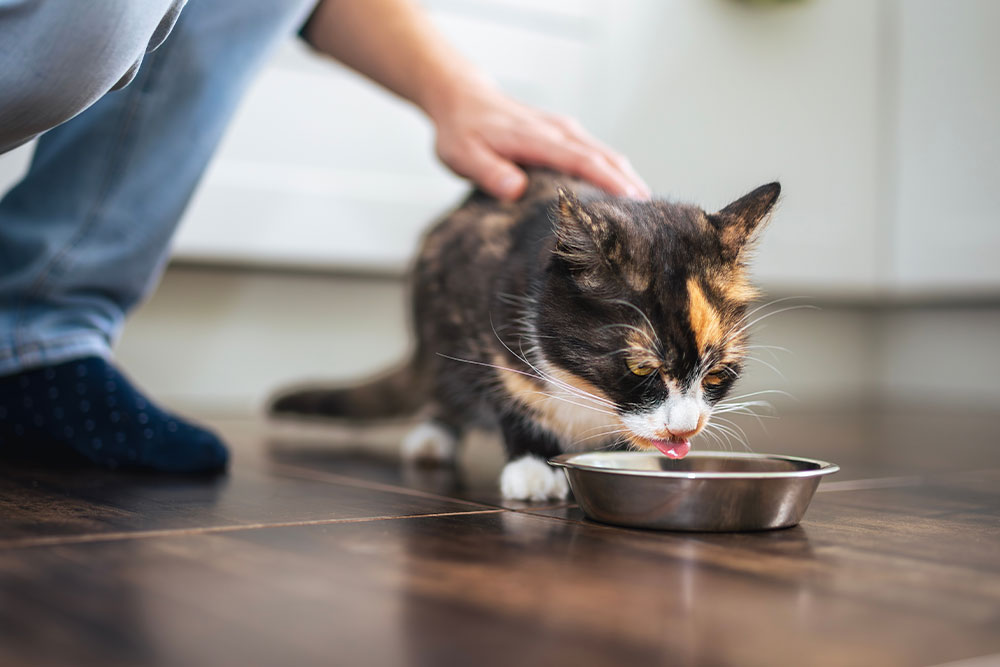
Special Considerations for Overweight Cats
Cats need a gentler approach. Rapid weight loss can trigger hepatic lipidosis, a serious liver problem. Keep weight loss to roughly 1 to 2 percent per week, and make sure that your cat doesn’t skip a day of meals- regular nutrition is critical, even when overweight, to avoid illness. Make movement fun: chase toys, wand play, laser sessions, or motorized mice. Short play bursts throughout the day work best for helping your cat lose weight. Use food puzzles: they slow eating and add mental stimulation. Try placing bowls in different spots or slightly higher, or sprinkling their kibble around a room to encourage movement and climbing. Research on feline physical rehabilitation shows benefits for cats, too- especially those with arthritis.
Scheduled, measured meals (two to three per day) beat free-feeding for portion control. Automatic feeders can help if you’re away during the day. Wet food is often a better choice than dry for high protein, low-carbohydrate, high moisture meals- it’s more aligned with what cats in the wild would eat.
Build Activity Into Everyday Life
You don’t need a big routine to make a difference. Small, consistent steps add up. Add five minutes to each walk. Choose stairs when possible and park a bit farther away. Turn meals into games using puzzles or scattering portions to “forage.”
Match activity to your pet’s current fitness. Start where they are, not where you wish they were. Signs of overdoing it include heavy panting, lagging, or reluctance to continue. Swimming is an excellent low-impact option for many dogs, especially those with arthritis. Always supervise and introduce water gradually.
Not sure what’s safe? Our team can tailor activity ideas to your pet’s age, joints, heart, and breathing.
When Traditional Exercise Isn’t Enough
Some pets are so uncomfortable from extra weight or joint issues that regular exercise hurts. That’s where veterinary physical rehabilitation steps in. Our rehab program is a perfect way to help your pet start the path to a healthy weight.
Why try rehab at Central Kentucky Veterinary Center for your overweight dog?
Underwater treadmill: Water therapy is great for weight loss and mobility. Buoyancy reduces joint stress while water resistance boosts calorie burn.
Gradual progression: supervised sessions increase time and intensity carefully as fitness improves.
Pain relief: techniques like therapeutic laser, massage, heat and cold therapy, and joint mobilization can ease discomfort so pets can move more.
Our certified rehabilitation practitioner designs plans combining hydrotherapy, therapeutic exercises, and pain management for safe, steady progress. We also offer stem cell therapy for pets with severe arthritis or joint damage, providing 1-3 years of relief that can make movement easier and weight loss more achievable. Each rehabilitation plan includes owner education on at-home exercises, ensuring you can support your pet’s progress between visits.
Tracking Progress and Adjusting the Plan
Weight loss isn’t perfectly linear. Plateaus happen. Regular tracking helps you course-correct without frustration. Weigh every two weeks on the same scale, same time of day. Recheck body condition monthly using the rib, waist, and tummy-tuck test. Take monthly photos from above and both sides to spot changes you might miss day to day.
If progress stalls for two weeks, trim daily calories by about 10 percent and reassess. If loss is too fast, add a bit back. The goal is steady, sustainable change. Another important note: make sure the whole family is on the same page. Weight loss won’t work if dad is slipping table scraps, the neighbor is tossing treats over the fence, or grandma is sneaking cookies. Make sure your pet doesn’t have access to other pets’ food, either. Sometimes the mysterious reason your dog isn’t losing weight is because he’s stealing food from the cat.
Once you reach the goal weight, shift gradually to maintenance portions. Many pets need fewer calories to maintain than you’d expect. Keep monitoring to catch small regains early. For support and accountability, use our easy appointment system for follow-ups.
FAQs: Quick Answers for Busy Pet Parents
How many treats are okay per day?
Keep treats to a small portion of daily calories- 10% or less. Use part of your pet’s regular food as training treats to stay on track.
What’s the best food for weight loss?
There’s no one-size-fits-all. Choose a complete, balanced diet that fits your pet’s age and health, then portion correctly. We can help you decide what’s best.
Can my pet lose weight without exercise?
Diet changes alone can help, but combining portion control with gentle activity delivers better results and preserves muscle.
How fast should my pet lose weight?
About 1 to 2 percent of body weight per week is a safe, sustainable target for most pets.
Is free-feeding okay?
It works for very few pets. Scheduled, measured meals support portion control and make progress easier to track.
Your Partner in Lifelong Weight Management
Keeping your pet lean pays off with more active, comfortable years together. You don’t have to do it alone. Our team blends nutrition, behavior tips, and rehabilitation to create a plan that fits your life and your pet’s needs. We’ll help you navigate busy weeks, setbacks, and milestones with practical guidance that works at home.
Ready to get started? Contact us or request an appointment for a body condition assessment and nutrition plan. We’re here to help, guide, and be your partner in your pet’s care. Schedule now so we can keep your pet lean, active, and healthy for the years ahead.



Leave A Comment