

When to Rush: Recognizing True Pet Emergencies
You know your pet better than anyone. So when they suddenly stop eating, start coughing, or seem completely out of sorts, that panic can set in quickly. Is this just a temporary bug, or is it something serious that requires a trip to the emergency room right now? Knowing the difference between a minor issue and a potentially life-threatening condition like vomiting, collapse, or difficulty breathing is vital. When minutes matter, recognizing the signs of a true emergency can save your pet’s life. If you ever have a doubt, the safest move is always to contact your veterinarian immediately.
At Central Kentucky Veterinary Center, we understand that emergencies never happen on schedule. That’s why our team is available with extended evening and weekend hours, prepared to handle urgent situations with expertise and compassion. Our modern facility, equipped with advanced imaging, in-house lab testing, and surgical capabilities, allows us to provide prompt care and critical intervention when your pet needs it most.
Recognizing Signs of Pet Emergencies
Common Signs of Distress
Some symptoms may seem mild at first but can quickly escalate into true emergencies. Difficulty breathing, uncontrolled bleeding, seizures, collapse, or prolonged vomiting and diarrhea are among the animal emergencies that demand immediate attention. If your pet shows any of these signs, call ahead or request care through our appointment page. Recognizing symptoms early gives our team the best chance to stabilize your pet and prevent worsening complications.
Specific Emergencies to Watch For
Gastric Dilatation-Volvulus (GDV)
Often called bloat, gastric dilatation-volvulus is a life-threatening emergency most common in large, deep-chested dogs. The stomach rapidly fills with gas and twists, cutting off blood flow to vital organs. Symptoms include an enlarged abdomen, unproductive retching, drooling, and sudden distress. Without immediate surgical intervention, GDV can be fatal within hours.
Pyometra (Uterine Infection)
Pyometra is a serious and potentially fatal uterine infection that affects unspayed female dogs and cats. It typically occurs several weeks after a heat cycle due to hormonal changes that allow bacteria to proliferate. Signs include lethargy, vomiting, increased thirst, abdominal swelling, and sometimes a discharge from the vulva. This condition requires emergency surgery to remove the infected uterus and prevent sepsis. Early spaying is the best prevention, but if your pet shows these signs, seek immediate veterinary care.
Trauma and Internal Injuries
Trauma can occur in many forms- car accidents, falls, bite wounds, or blunt force injuries- and often requires rapid evaluation. Bite wounds may look minor on the surface but can hide deep infection or tissue damage. Fractures and broken bones often cause limping, swelling, or sudden refusal to move. More severe injuries, such as thoracic trauma or internal bleeding (hemoabdomen), can result in pale gums, labored breathing, or collapse.
Parvovirus Infection
Canine parvovirus is a highly contagious and often deadly gastrointestinal disease that primarily affects unvaccinated puppies. Symptoms include vomiting, bloody diarrhea, severe dehydration, and lethargy. Because the virus attacks rapidly dividing cells, it can lead to shock and death without intensive care. Early vaccination and booster series are the best protection. At Central Kentucky Veterinary Center, we provide immediate hospitalization with IV fluids, anti-nausea medication, and nutritional support to stabilize parvo patients and reduce the risk of complications.
Intervertebral Disc Disease (IVDD)
Intervertebral disc disease occurs when the cushioning discs between vertebrae herniate or rupture, compressing the spinal cord. This condition is common in breeds like Dachshunds, Beagles, and Corgis. Symptoms include sudden back pain, reluctance to jump, or dragging of the hind limbs. Early intervention is critical- medical management may help mild cases, while severe compression often requires surgical decompression. Prompt diagnosis using imaging like MRI or CT scan improves recovery outcomes dramatically.
Urinary Obstruction
Urethral obstruction is one of the most urgent feline emergencies. It occurs when crystals, stones, or mucus block the urinary tract, preventing the cat from passing urine. Affected cats may strain in the litter box, vocalize in pain, or lick excessively at the genital area. Without treatment, toxins quickly build up, leading to kidney failure or cardiac arrest. Emergency catheterization, IV fluids, and ongoing dietary management are essential to restore urinary flow and prevent recurrence.
Eye Emergencies
Ocular emergencies such as corneal ulcers, foreign bodies, or sudden blindness can develop rapidly and threaten permanent vision loss. Redness, squinting, cloudiness, or excessive tearing are warning signs that require immediate attention. Conditions like glaucoma or trauma-induced rupture can cause intense pain and irreversible damage within hours.
Respiratory Distress
Breathing trouble is one of the most urgent conditions veterinarians treat. Rapid or labored breathing, wheezing, or open-mouth breathing in cats are key indicators of respiratory distress. Some pets may extend their necks or flare their nostrils while trying to get air. Asthma, heart disease, chest trauma, and cancers can all cause respiratory distress.
At Central Kentucky Veterinary Center, we act quickly to stabilize pets showing these symptoms. Our facility is equipped for oxygen therapy, pulse oximetry, and imaging to diagnose causes such as fluid buildup, asthma, or trauma. Breathing issues progress rapidly, and early stabilization is often the difference between recovery and crisis.
Choking and Eating Foreign Objects
Choking can happen suddenly, and every second matters. Gagging, pawing at the mouth, drooling, or panic-like behavior are key warning signs. Owners can perform the Heimlich maneuver for dogs if an object is lodged, but always prioritize getting your pet to a veterinarian.
Gastrointestinal foreign bodies– like eating toys, food packaging, or your remote control- can result in blockage of the intestines, causing vomiting, lethargy, and lack of appetite. Surgery is usually needed to resolve this problem, but some objects- if caught quickly enough- can be vomited back up under veterinary supervision.
Seizures and Collapse
Seizures can occur for many reasons- ranging from toxin exposure and metabolic disease to neurological conditions. If your pet has a seizure lasting more than a few minutes or experiences repeated episodes, it is a medical emergency. Keep them away from furniture and sharp objects, and avoid touching their mouth during the episode. Afterward, your pet may appear disoriented or unsteady. Seek care immediately, as ongoing seizures can lead to brain damage.
Collapse can occur from hypoglycemia, heart disease, anemia, or blood pressure problems. If you have a diabetic pet or a toy breed puppy, hypoglycemia is of particular concern. Keep some corn syrup or honey on hand to rub into their gums to help get their blood sugar up while you’re on the way to the vet.
Toxins and Poisons
Chocolate, medications, cleaning products, and certain plants can all be toxic to pets. Ingestion may lead to vomiting, seizures, or collapse, depending on the substance. Lilies in particular are an emergency for cats, as they can cause rapid kidney failure. Xylitol (found in sugar-free gum) and antifreeze can cause severe organ damage even in tiny amounts, making early intervention critical.
If you suspect poisoning, contact your veterinarian or poison control immediately.
Do not induce vomiting unless instructed by a professional, as it can sometimes worsen the condition. Bring the packaging or sample of the toxin to the clinic- it helps our team identify the substance and begin decontamination or supportive treatment faster.
Pet First Aid Measures Before You Reach the Vet
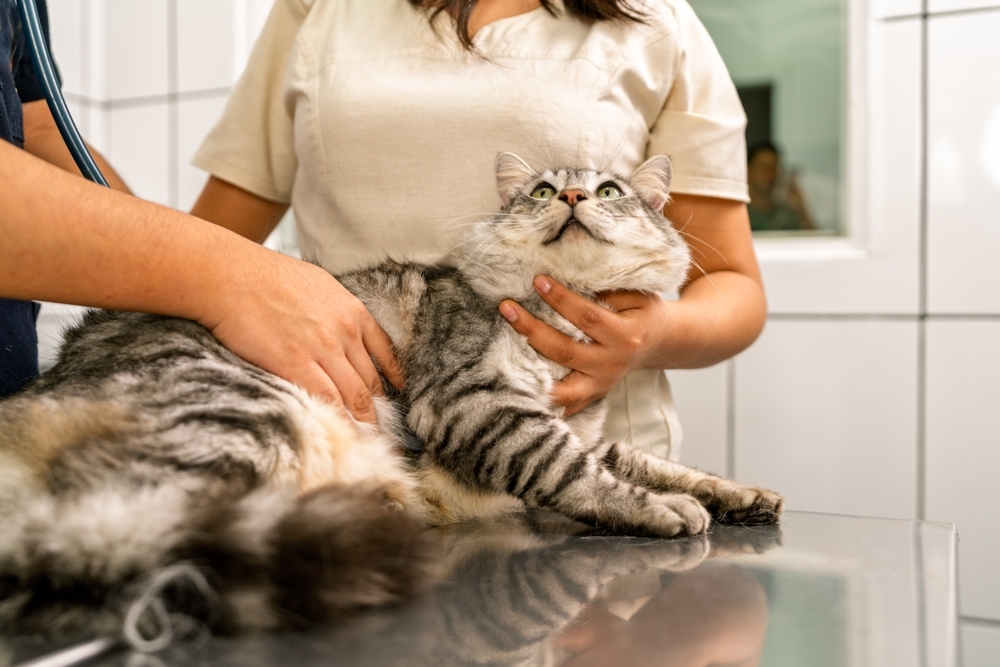
Knowing basic pet first aid can make a difference in stabilizing your pet while you’re en route to the clinic. Consider taking first aid classes to gain confidence in managing urgent situations. Apply firm, steady pressure to control bleeding, using a clean towel or bandage. For pets that have stopped breathing or lost consciousness, CPR for pets may help sustain oxygen flow until professional care begins.
Our team can walk you through first aid steps over the phone if you’re unsure how to respond. Once your pet arrives, we’ll immediately begin triage, diagnostics, and stabilization. Quick, calm action paired with professional guidance can dramatically improve outcomes.
Emergency Preparedness
Proactive Measures
While accidents happen, many emergencies can be prevented through routine care and awareness. Regular checkups, vaccinations, and screening tests are essential to keeping pets healthy and identifying early disease. You can also perform a home exam between visits to check for changes in appetite, breathing, or energy levels and help you better understand what’s normal for your pet. Taking steps like securing trash, storing medication safely, and monitoring your pet during playtime go a long way toward preventing pet emergencies.
Don’t Delay Care
When in doubt, don’t wait. It’s always safer to call and describe your pet’s symptoms. Our team will guide you on whether to come in immediately or monitor at home. You can reach us directly through our contact page or by calling during our extended hours. When you arrive, we’ll perform diagnostic testing like bloodwork, x-rays, ultrasound, or CT scans to determine the cause of your pet’s symptoms.
Staying Prepared and Confident in Emergencies
Emergencies are never easy- but preparation and quick action make all the difference. By recognizing early warning signs, having a plan, and partnering with a trusted veterinary team, you can protect your pet when it matters most.
At Central Kentucky Veterinary Center, we’re here to be that partner. Whether it’s a late-night emergency or a concern that just can’t wait, you can count on us for responsive, compassionate care. Save our number, bookmark our request appointment page, and know that our experienced, AAHA- accredited team is ready whenever your pet needs us. Together, we’ll help you act swiftly and confidently- keeping your best friend safe in any situation.




Leave A Comment