

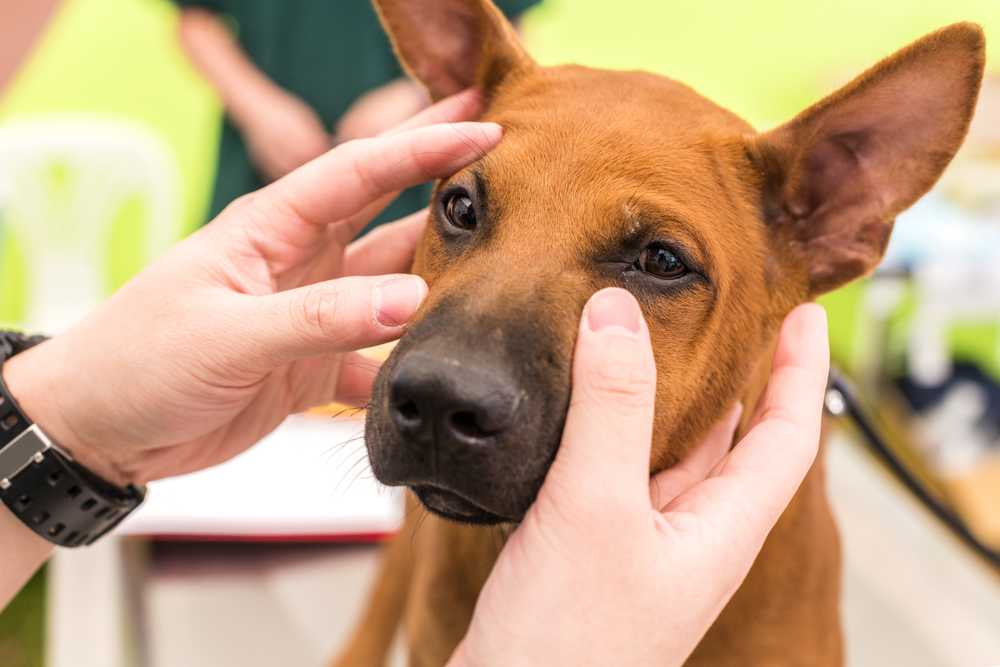
Eye Problems in Pets: When Redness or Squinting Signals Trouble
You spot your pet blinking a little too much, maybe rubbing their face, and you notice a slight redness or a little tear-staining. Is it just a tiny irritation that will clear up, or is it something serious that needs immediate attention? That moment of worry when you see your pet struggling with their eyes is something every pet owner understands. Even seemingly minor signs like watery eyes or cloudiness can be signals of an injury or infection. Taking quick action and seeking early diagnosis and treatment can be the key to preventing severe complications like painful ulcers or permanent vision loss.
At Central Kentucky Veterinary Center, our veterinarians use advanced diagnostic technology and AAHA-accredited care to identify eye conditions early and treat them effectively. With tools such as digital imaging, ophthalmic exams, and even computed tomography (CT) when needed, our team provides precise answers and compassionate treatment to protect your pet’s sight and comfort.
Common Eye Conditions in Pets and What Causes Them
Pets can experience a range of eye disorders, from mild irritations to painful diseases. Squinting, rubbing the face, or light sensitivity are among the most common signs of eye pain. Many eye conditions stem from allergies, infections, or injury, while others may be genetic or age-related. Pets can’t tell us when something hurts, so recognizing subtle eye changes is crucial.
The following are some of the most frequent eye issues our veterinarians diagnose and treat.
Corneal Ulcers
Scratches, trauma, or debris can lead to corneal ulcers, painful open sores on the eye’s surface. Common symptoms include squinting, redness, and pawing at the eye. Left untreated, ulcers can deepen and cause vision loss. Using in-house diagnostic stains and imaging, we identify the ulcer’s severity and develop tailored treatments.
Cherry Eye
In dogs, the gland of the third eyelid can become displaced, resulting in a visible red mass known as cherry eye. Early treatment helps prevent chronic irritation and dry eye. Surgical correction repositions the gland rather than removing it, preserving tear production and long-term eye health.
Glaucoma
Glaucoma is a painful buildup of pressure within the eye that can quickly cause blindness if untreated. Pets may show sudden cloudiness, bulging eyes, or severe pain. Our veterinarians perform rapid eye pressure testing and imaging to confirm glaucoma and begin urgent care. In some cases, surgical or medical management can help preserve remaining vision.
Cataracts and Nuclear Sclerosis
As pets age, the lens may become cloudy- a normal age change called nuclear sclerosis. It’s often mistaken for cataracts and hard to tell apart without an eye exam. Cataracts and nuclear sclerosis differ in severity and impact. Cataracts significantly obstruct vision and may require surgical removal, while nuclear sclerosis doesn’t affect vision severely. Dogs who suddenly develop cataracts should be checked for diabetes.
Dry Eye
A chronic lack of tear production, or dry eye, causes thick discharge, redness, and irritation. This condition often requires lifelong therapy with tear stimulants or lubricants to maintain comfort. Routine rechecks help adjust treatment and prevent painful corneal scarring or infection. Regular tear testing at wellness appointments can help catch this early, before it causes significant problems.
Conjunctivitis and Uveitis
Conjunctivitis causes redness, swelling, and discharge around the eyelids. It can result from allergies, bacteria, viruses, or irritants. Cats commonly get conjunctivitis with upper respiratory infections. Our veterinarians determine the cause through examination and lab testing, ensuring proper medication- whether antibiotics, anti-inflammatories, or allergy management- is prescribed to relieve discomfort and prevent recurrence.
Uveitis– inflammation of the eye’s vascular layer- causes pain, redness, cloudiness, and pupil changes. It can result from infections, immune disorders, trauma, or cancer.
Pannus (Chronic Superficial Keratitis)
Pannus is an immune-mediated condition affecting the cornea, primarily seen in middle-aged German Shepherds. Pannus is thought to be hereditary, with high altitude and increased UV light exposure intensifying clinical signs. Most cases respond well to medication and vigilant monitoring. Your veterinarian may recommend protective eyewear to reduce UV exposure.
Uveal Cysts
Uveal cysts are fluid-filled structures arising from the iris or ciliary body, commonly seen in Golden Retrievers, Labrador Retrievers, and Boston Terriers. These cysts may be free-floating in the anterior chamber or attached to the pupillary margin and appear as brown or black spherical structures. Most uveal cysts are benign and require no treatment.
Tear Staining
Tear stains– reddish-brown streaks below the eyes caused by porphyrin in tears- are common in light-colored breeds and can signal blocked tear ducts, allergies, or infections; prevention includes daily cleaning with vet-approved wipes and keeping facial hair trimmed short. Regular grooming around the eyes is essential for breeds with long facial fur to prevent vision obstruction, corneal irritation, and infections.
Eyelid and Eyelash Disorders
Several conditions can affect the eyelids and eyelashes, causing irritation, pain, and potential corneal damage if left untreated.
Entropion and Ectropion
Entropion occurs when the eyelid rolls inward, causing hair and lashes to rub against the cornea, resulting in pain and ulceration. Common in breeds like Bulldogs, Shar Peis, Pugs, and Cocker Spaniels, symptoms include squinting, excessive tearing, and discharge. Surgical correction typically involves removing excess skin to prevent the eyelid from turning inward.
Ectropion is the outward rolling or drooping of the eyelid, exposing delicate conjunctival tissue. Common in loose-skinned breeds such as Bloodhounds, Saint Bernards, and Cocker Spaniels, it can lead to chronic conjunctivitis and dry eye. Treatment ranges from lubricating eye drops to surgical eyelid shortening in more severe cases.
Abnormal Eyelashes
Distichiasis– extra eyelashes growing from abnormal locations along the eyelid margin- is the most common eyelash disorder and can cause corneal irritation and ulcers. Trichiasis occurs when normally positioned hairs grow in abnormal directions toward the eye. Common in breeds with facial folds or flat faces, it can cause chronic irritation. Treatment options for both include surgical correction or cryotherapy to destroy problematic hair follicles.
Eyelid Tumors
Eyelid tumors are common in older dogs and are usually benign. In contrast, most eyelid tumors in cats are malignant, with squamous cell carcinoma being most common. Treatment may involve surgical removal, cryotherapy, or laser ablation depending on tumor type and size.
Urgent Eye Symptoms That Need Same-Day Care
Some eye problems progress too quickly to wait. Severe redness, constant squinting, thick discharge, or sudden blindness all require immediate evaluation. Through comprehensive diagnostic testing, including bloodwork and blood pressure checks, we can determine the cause and start appropriate treatment immediately. If your pet is experiencing an eye emergency, call us directly and we can provide guidance on your next steps.
Eye Pain or Foreign Objects
Eye emergencies like penetrating injuries, chemical exposure, or visible foreign objects demand urgent attention. Even a foxtail lodged behind the eyelid can cause rapid ulceration. If your pet’s eye appears suddenly swollen, cloudy, or painful, call us right away.
Sudden Blindness
If your pet bumps into furniture, has enlarged pupils, or seems disoriented, it could signal a vision emergency. Sudden blindness can be caused by SARDS– sudden acquired retinal degeneration, or retinal detachment from high blood pressure. A number of other neurologic or systemic diseases can cause sudden vision problems, and all should be seen promptly.
Enlarged Eyes or Eyes That “Fall Out”
If one or both of your pet’s eyes suddenly appear larger, bulging, or protruding from the socket, this is an extremely serious emergency requiring immediate veterinary attention. This enlargement may indicate acute glaucoma, a painful condition caused by a rapid increase in pressure within the eye that can lead to permanent blindness within hours if left untreated.
In brachycephalic breeds (flat-faced dogs and cats) or following trauma, the eye may actually protrude or displace forward from the socket in a condition called ocular proptosis, where the eyelids can become trapped behind the eyeball. It’s intensely painful and time-sensitive- every minute counts in preserving your pet’s vision and comfort, so seek emergency care immediately if you notice any sudden change in eye size or position.
Treatment Plans and Surgical Options
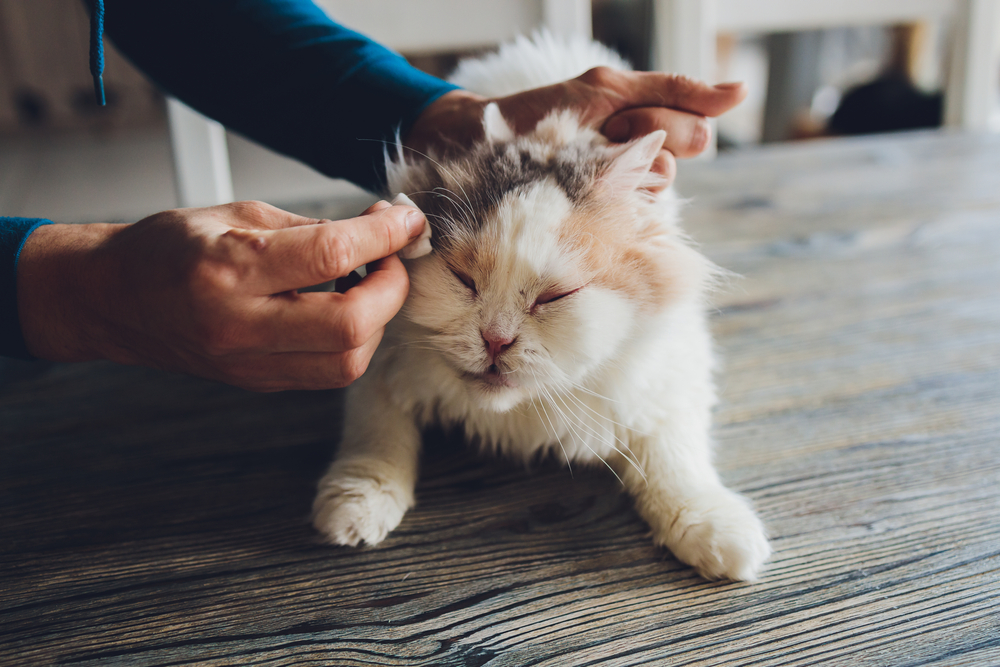
Our approach to treatment is always individualized. Whether your pet needs medication, surgery, or long-term monitoring, our focus is on comfort, healing, and preserving vision.
Routine Eye Care and Preventive Strategies
Just like regular physical exams, preventive eye care keeps vision sharp and helps catch early disease. During wellness visits, our veterinarians check for early signs of cataracts, glaucoma, dry eye, and corneal changes, and may recommend additional imaging or tear testing for senior pets or high-risk breeds.
Home Eye Care and Medication Techniques
Administering drops or ointment correctly is vital for effective treatment. Follow proper eye medication techniques to avoid contamination or injury. We can demonstrate how to safely clean your pet’s eyes and administer medication during an appointment, ensuring both you and your pet feel confident.
Surgical Interventions to Protect Vision
When surgery is necessary- whether to correct eyelid issues or repair trauma- our experienced team uses modern technology and minimally invasive approaches to ensure a smooth recovery. With access to advanced imaging and skilled surgeons, we provide both general and specialized eye procedures designed to preserve or restore sight. In some severe cases, eyes must be removed- called “enculeation”– to prevent pain and suffering. The good news is that pets with only one eye- or even no eyes- can adapt well with a few lifestyle changes.
Protecting Your Pet’s Vision with Early Action
A small amount of redness or squinting can quickly become something more serious. Prompt attention is the best way to protect your pet’s vision and prevent lasting damage.
At Central Kentucky Veterinary Center, our compassionate and highly trained team is here to evaluate, diagnose, and treat all forms of eye disease with precision and care. If your pet is showing signs of discomfort, contact us right away through our contact page or schedule an appointment. Together, we’ll help your pet see the world clearly and comfortably again.


Leave A Comment