

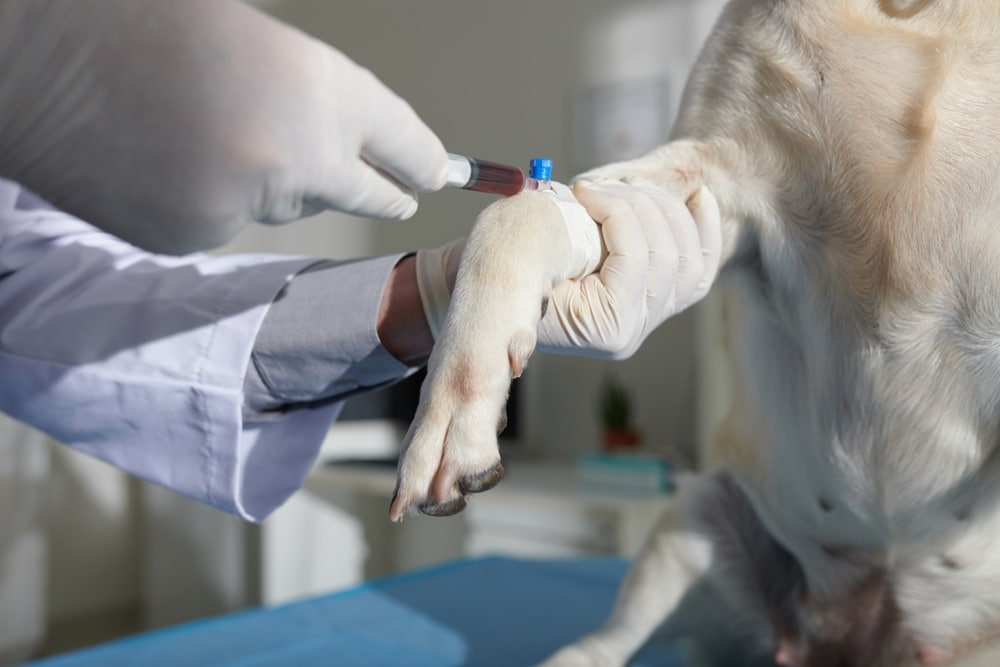
Why Is Blood Work One of the Most Important Parts of Your Pet’s Checkup?
Your pet cannot tell you when something feels off inside. They cannot mention that they have been a little more tired than usual, or that their appetite has quietly shifted over the past few weeks. By the time many health conditions cause visible symptoms, they have already been developing for months or even years. So how do you catch a problem before it becomes a crisis? That is exactly what routine blood work is designed to do.
Annual blood panels give your veterinarian a detailed look at what is happening beneath the surface. They complement the physical exam by revealing early changes in organ function, blood cell counts, and metabolic health that no amount of poking and prodding can detect on its own. Think of it as a health snapshot that helps us spot trends, establish baselines, and intervene before small shifts become serious problems.
At Central Kentucky Veterinary Center, we believe preventive care is the foundation of a longer, more comfortable life for your pet. Our in-house and reference laboratory capabilities mean we can run comprehensive panels and often have results the same day. If you have been putting off your pet’s annual screening, reach out to our team and we will help you take that first step.
What Makes Annual Veterinary Exams So Valuable?
Even when your pet looks perfectly healthy, a yearly visit does more than you might expect. Annual veterinary visits allow your veterinarian to perform a thorough nose-to-tail physical exam, review your pet’s nutrition and lifestyle, discuss parasite prevention, and collect blood for baseline or follow-up screening.
Some conditions simply cannot be identified by observation alone. A pet with early kidney disease may eat, drink, and play normally for months before symptoms appear. A dog developing hypothyroidism may just seem a little sluggish, something easy to write off as aging. Annual exams paired with blood work catch these changes when they are still manageable.
Our AAHA-accredited team follows rigorous standards for wellness care, meaning every visit is thorough, consistent, and tailored to your pet’s age and health history. A comprehensive wellness exam at Central Kentucky Veterinary Center gives you the clearest picture of how your pet is doing.
What Does a Wellness Blood Panel Actually Test?
A standard wellness panel may sound complicated, but each component tells us something specific and useful about your pet’s health. Understanding wellness blood work helps take the mystery out of the process and shows why these tests matter.
Here is a breakdown of what we are looking at and why.
What Does the Complete Blood Count Tell Us?
The complete blood count, or CBC, evaluates three main groups of cells in your pet’s blood:
- Red blood cells: Carry oxygen throughout the body. Low levels may indicate anemia from blood loss, chronic disease, or nutritional deficiencies.
- White blood cells: Fight infection and inflammation. Elevated counts may signal an active infection or immune condition. Low counts can indicate bone marrow problems or certain viral infections.
- Platelets: Help blood clot properly. Abnormal numbers can point to bleeding disorders, tick-borne diseases, or immune-mediated conditions.
Knowing your pet’s normal baseline makes it much easier to spot a meaningful change down the road. Our diagnostic services include in-house CBC testing for fast, reliable results.
What Can the Chemistry Panel Reveal About Organ Health?
The chemistry panel measures enzymes, proteins, and other markers that reflect how well your pet’s organs are functioning. Key areas include:
- Kidney values (BUN and creatinine): Elevated levels can indicate chronic kidney disease, one of the most common conditions in aging cats and dogs. Early detection allows dietary changes and supportive care that slow progression significantly.
- Liver enzymes: Increases may signal inflammation, infection, toxin exposure, or metabolic disease. The liver compensates remarkably well, so blood work often catches problems before symptoms appear.
- Blood glucose: Persistently high levels may point to diabetes, a manageable condition when caught early.
- Electrolytes: Sodium, potassium, and other electrolytes affect hydration, nerve function, and heart rhythm. Imbalances can develop with kidney disease, hormonal conditions, or chronic vomiting and diarrhea.
When we catch organ changes early, we can often manage them with diet, medication, or lifestyle adjustments rather than waiting until your pet is visibly sick.
Why Is Thyroid Testing Part of Routine Screening?
The thyroid gland controls metabolism, energy levels, and body temperature. When it is not functioning correctly, the effects ripple through nearly every system in the body.
- Cats are prone to hyperthyroidism, where the thyroid produces too much hormone. Common signs include weight loss despite a good appetite, restlessness, increased thirst, and a rapid heart rate.
- Dogs are more likely to develop hypothyroidism, where the thyroid underproduces. This can cause weight gain, lethargy, skin changes, and a dull coat.
Both conditions are very treatable once identified, but they are easy to miss without blood work. If you have noticed changes in your pet’s weight, energy, or coat quality, scheduling a screening is a great place to start.
Why Does My Pet Need a Heartworm Test Every Year?
Annual heartworm testing is essential, even if your pet is on preventive medication year-round. Here is why: no preventive is 100% effective if a dose is late, spit out, or vomited. Testing confirms that your pet’s prevention is working and catches any infection before it causes damage.
Heartworm disease is transmitted by mosquitoes, and Central Kentucky’s warm, humid summers create prime conditions for mosquito activity. Staying current on heartworm prevention is critical, and annual testing ensures there are no gaps in protection. It also confirms that it is safe to continue giving preventive medications, since administering certain preventives to an already-infected pet can cause serious complications.
Our team can recommend the right prevention protocol for your pet’s lifestyle and make sure testing stays on schedule.
When Are Additional Tests Recommended?
A standard wellness panel covers a lot of ground, but some pets benefit from additional screening based on their age, breed, medical history, or clinical signs. Your veterinarian may recommend:
- Urinalysis: Provides important information about kidney function, urinary tract health, and hydration that blood work alone may not reveal
- Full thyroid panel: Offers a more detailed picture when initial T4 results are borderline
- Tick-borne disease screening: Especially relevant in Central Kentucky where tick exposure is common during warmer months, and Lyme disease is prevalent
- Pancreatic testing: Recommended if symptoms suggest pancreatitis or exocrine pancreatic insufficiency
- : Tests for markers in the blood that show when heart muscle is damaged, letting us know that further heart disease testing should be done
- Cancer testing: New blood tests allow us to pick up certain cancers, like Lymphoma or hemangiosarcoma, months before symptoms appear. There are multiple options we may recommend based on your pet’s breed and risk levels
- Digital imaging: X-ray, ultrasound, or CT to pick up problems like cancers, arthritis, or heart disease
The goal is never to run unnecessary tests. It is to tailor screening to your pet’s individual risk factors so nothing important gets overlooked. Our diagnostic services allow us to customize panels based on what your pet needs most.
Does My Pet’s Age Affect What Blood Work They Need?
Absolutely. Blood work recommendations shift as your pet moves through different life stages, and the reasons for testing evolve along with them.
Why Do Young and Middle-Aged Pets Need Baseline Blood Work?
Establishing baseline values when your pet is young and healthy is one of the smartest things you can do. Those “normal” numbers become the reference point for every future test, making it easier to detect subtle changes over time.
For young pets, baseline panels can also screen for congenital conditions (problems present from birth) that may not cause obvious symptoms right away. Even if your pet seems perfectly healthy, pairing blood work with their annual visit gives us data that pays off for years to come.
Why Is More Frequent Blood Work Important for Senior Pets?
Pets over seven years old (or five for large breed dogs) are at higher risk for age-related conditions that develop gradually. Preventive testing for seniors focuses on the areas most likely to change with age:
- Kidney and liver function
- Thyroid health
- Blood glucose and diabetes screening
- Red and white blood cell changes that may flag cancer or immune disorders
For senior pets, we often recommend screening every six months rather than annually. These more frequent check-ins allow us to track trends closely and adjust care plans before a condition advances. Because pets age so much faster than humans, waiting a year between screenings is like an elderly human waiting 3-5 years between doctor visits- and a lot can happen in that amount of time. Contact us to discuss a senior screening schedule that fits your pet’s needs.

Frequently Asked Questions About Pet Blood Work
How often should my pet have blood work done?
For most healthy adult pets, once a year is recommended. Senior pets and those with chronic conditions benefit from testing every six months.
Does my pet need to fast before blood work?
Not always. We’ll let you know if fasting is recommended.
Is the blood draw uncomfortable for my pet?
The process is quick and similar to a routine blood draw in people. Our team uses gentle handling techniques to keep your pet calm and comfortable throughout.
How quickly will I get results?
With our in-house laboratory, many results are available the same day. Specialized tests sent to reference labs typically take 24 to 48 hours.
Is annual blood work really worth the cost?
Catching a condition early almost always costs less to manage than treating advanced disease. Beyond the financial aspect, early detection means better outcomes and a more comfortable life for your pet.
Your Partner in Proactive Pet Health
Blood work and physical exams work together to give you the most complete picture of your pet’s health. Routine screening does not just catch problems. It builds a health history that helps us personalize your pet’s wellness and prevention plan year after year.
At Central Kentucky Veterinary Center, our AAHA-accredited team, in-house diagnostics, and compassionate approach make it easy to stay ahead of potential health concerns. Whether your pet is due for their first baseline panel or their tenth annual screening, we are here to guide you through every result and every next step.
Ready to schedule your pet’s wellness blood work? Request an appointment or call us at (502) 863-0868. Your pet’s healthiest years start with knowing what is happening on the inside.




Leave A Comment