

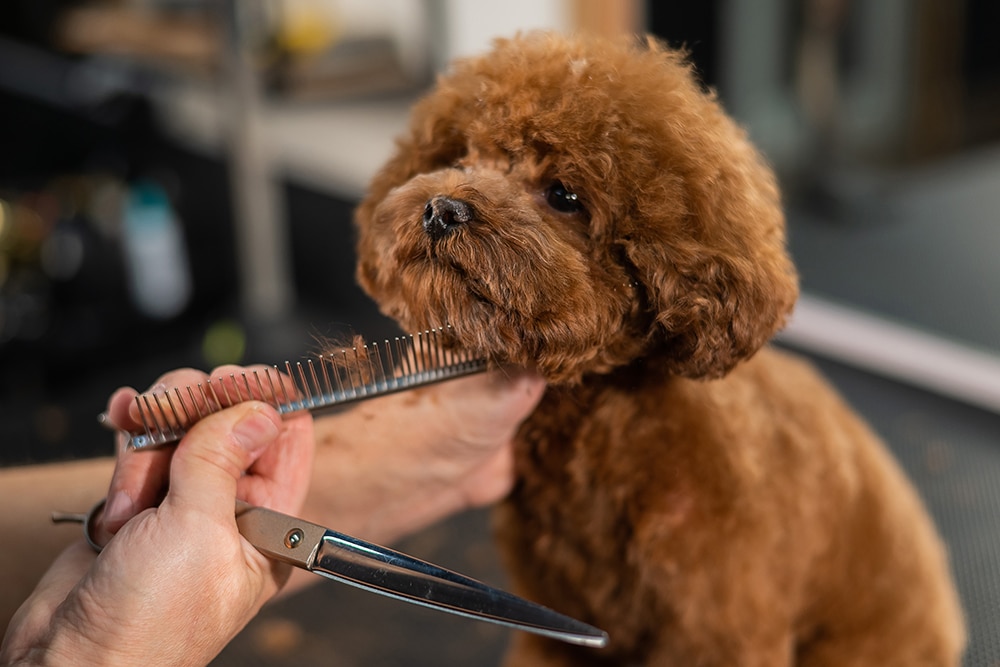
Why Is Grooming About So Much More Than Looking Good?
You are running your hand along your dog’s back and feel a small mat behind the ear. You’re trying to sleep and hear the clacking of toenails on the floor, remembering now that they desperately need a trim. Or maybe you notice your cat’s coat looking a little dull and flaky lately, or catch a whiff of bad breath and realize that you haven’t brushed those teeth in a while. These small observations are easy to brush off (no pun intended), but they are actually your first clue that something about your pet’s health might need attention. So does grooming really make a difference beyond appearances? Absolutely. Grooming is one of the most practical forms of preventive care you can do at home.
With National Pet Month encouraging pet owners to prioritize their companion’s wellbeing, there is no better time to take a fresh look at your grooming habits. We’re here to help you learn the real health benefits of consistent grooming, the mistakes that can work against you, and how to keep your pet’s skin and coat healthy through every season.
At Central Kentucky Veterinary Center, our team helps with everything from professional nail trims to diagnosing skin conditions that grooming alone cannot resolve. Think of us as your partner in keeping your pet comfortable inside and out.
How Does Grooming Protect Your Pet’s Skin and Coat?
Grooming is preventive care, not just cosmetic upkeep. Consistent regular grooming removes dirt, loose hair, and debris that trap moisture and irritate the skin. It also distributes your pet’s natural oils across the coat, which promotes shine and maintains a healthy skin barrier that keeps infections out.
Beyond the surface, routine grooming helps you:
- Reduce shedding and prevent mats that pull on the skin and trap heat and bacteria
- Remove allergens like pollen, dust, and grass that collect in the coat and trigger itching
- Spot skin problems early, including hot spots, parasites, lumps, rashes, and infections
Between grooming sessions, skin and coat supplements can support the skin barrier from the inside out. Omega fatty acid products like fish oils given orally, Dermaquin, and Dermoscent topical omegas promote coat quality and help skin resist irritation. For pets with dry, cracked paw pads or noses, Dermoscent BioBalm is a nourishing balm that restores moisture to rough, damaged skin. These work best with consistent use alongside a solid grooming routine.
When grooming is a regular habit, problems get caught while they are still small rather than after they have become painful or infected. That early detection piece is really where grooming earns its keep as a health tool.
Why Is Every Grooming Session Also a Health Check?
This is the part that makes grooming so valuable from a medical standpoint. Running your hands over your pet’s body while brushing is essentially a mini physical exam. You are feeling for lumps, noticing weight changes, checking for areas of tenderness, and spotting skin changes that might otherwise go unnoticed for weeks.
Performing DIY health checks during grooming helps you detect new masses, muscle loss, swollen areas, and skin irritation before they have a chance to escalate. A lump that is pea-sized today is much easier to evaluate and treat than one that has been growing unnoticed for months.
Grooming also builds your pet’s comfort with being handled, which pays off during veterinary visits. Pets who are used to calm handling at home tend to be more relaxed when our team examines them. Pairing your at-home observations with regular wellness exams gives your pet the most thorough health coverage possible.
Which Grooming Tasks Matter Most for Health?
Why Do Overgrown Nails Cause More Problems Than You Would Think?
Long nails are one of the most overlooked grooming issues, and they cause more discomfort than many owners realize. When nails get too long, they change how your pet’s foot hits the ground, putting extra strain on joints and tendons over time. In severe cases, nails can curl into the paw pads or break, leading to painful nail injuries and infections.
If you hear clicking on hard floors, see splayed toes, or notice your pet avoiding certain surfaces, their nails are likely overdue. Trimming nails safely comes down to the right tools and small, careful cuts.
Do not forget about paw pads. Georgetown’s hot summer pavement and cold winter salt can damage sensitive paw skin. Following paw protection strategies keeps your pet’s feet healthy year-round. If nail trims at home feel stressful for either of you, our team offers gentle, professional nail care at any visit.
What Do Your Pet’s Ears Tell You About Their Health?
Ears are one of the first places that allergies, infections, and parasites show up, which makes regular checks during grooming especially important. Ear infections are common in floppy-eared breeds, dogs who swim, and pets with allergies. Warning signs include head shaking, scratching at the ears, redness, odor, or dark discharge.
Clean ears gently and only as often as your veterinarian recommends. Using the right cleanser matters. We recommend Epiklean Ear Cleanser or Epi-Otic Advanced Ear Cleanser for routine maintenance. Over-cleaning or using the wrong products can actually make things worse by disrupting the ear’s natural balance. If your pet’s ears look red, smell off, or seem painful, skip the home cleaning and contact us for an exam. Persistent ear problems often point to an underlying allergy or infection that needs veterinary treatment to truly resolve.
How Does Dental Care Fit Into a Grooming Routine?
Dental disease is one of the most common health problems in pets, and it develops silently until it causes real pain. Tartar buildup, gum inflammation, and tooth infections affect more than just the mouth. Over time, oral bacteria can travel through the bloodstream and put strain on the heart, kidneys, and liver.
Start slowly with brushing your dog’s teeth using a pet-safe toothpaste, and build toward a daily routine. An Enzadent toothbrush paired with CET Enzymatic Tartar Control Toothpaste is a great combination to start with. On days when brushing is not possible, Vetradent dental wipes offer a quick alternative for removing surface plaque. Dental treats and chew toys are nice supplements, but they should not replace brushing. Professional dental cleanings at Central Kentucky Veterinary Center go much deeper, addressing plaque below the gum line where at-home care cannot reach.
How Should Grooming Change as Your Pet Gets Older?
Senior pets benefit from grooming just as much as younger ones, and often more. Older dogs and cats may develop thinning coats, dry skin, and arthritis that makes self-grooming difficult or painful. A cat who used to keep themselves immaculately clean may start looking unkempt, not because they have stopped caring, but because reaching certain areas hurts.
Following senior cat grooming best practices applies broadly across species: keep sessions shorter, be gentle around stiff joints, and switch to softer brushes. Frequent, gentle grooming also gives you regular opportunities to monitor for age-related changes like new lumps, skin thickening, or muscle loss that might otherwise develop unnoticed between veterinary visits.
Our wellness services include senior care designed for the unique needs of aging pets, and we are happy to recommend grooming adjustments at any visit.
What Grooming Mistakes Can Actually Hurt Your Pet?
Even well-intentioned grooming can backfire if the approach is off. Common errors include:
- Bathing too frequently, which strips natural oils and leads to dry, flaky, itchy skin
- Using human shampoo or harsh products that disrupt your pet’s skin pH and weaken the skin barrier
- Skipping brushing between baths, allowing mats to tighten and trap moisture against the skin
- Shaving double-coated breeds, which removes insulation they need for both heat and cold protection
Every coat type has different needs. If you are unsure about the right products or schedule for your pet, our team can make recommendations based on their breed and any existing skin conditions.
How Does Grooming Help With Parasites and Allergies?
Grooming plays a direct role in both parasite detection and allergen removal, and skipping it can let problems build quietly. Combing through your pet’s coat regularly helps you spot fleas and ticks early, before a single hitchhiker becomes a full infestation. Pets dealing with flea allergy dermatitis are especially vulnerable because even one flea bite can trigger intense itching and skin damage.
Bathing during allergy season removes pollen and environmental irritants from the coat, reducing allergy symptoms like itching, redness, and hot spots. Choosing the right products makes a difference. Miconahex+Triz Shampoo is formulated for itchy, inflamed skin, while Oatmeal and Aloe Shampoo paired with Oatmeal and Aloe Conditioner provides gentle, soothing relief for sensitive skin. For pets who do not tolerate full baths well, Miconahex+Triz Mousse is a no-rinse option that still delivers calming ingredients directly to the skin. Grooming works best as part of a bigger picture that includes year-round parasite prevention and a veterinary allergy management plan when needed.

What If Grooming Has Become a Battle?
If your pet dreads grooming sessions, pushing through only makes it worse. Rushing, restraining forcefully, or continuing when your pet is clearly stressed creates lasting fear that makes every future session harder.
A cooperative care approach works much better. Start slowly, use treats and praise, take breaks, and let your pet set the pace. Over time, most pets learn that grooming is safe and even enjoyable. If it has already become a real struggle at home, reach out for help rather than powering through. Some pets do better with professional grooming, and in certain cases, light sedation may be the safest and kindest option. Our team uses gentle handling techniques and can coach you on building positive experiences at home.
How Should You Adjust Grooming for Kentucky’s Seasons?
Central Kentucky’s hot, humid summers call for extra attention to coat care and heat safety. Removing excess undercoat improves airflow and cooling, but avoid shaving double-coated breeds since their undercoat actually insulates against heat and provides sun protection.
Pets with thin coats, light-colored fur, or exposed skin on the nose and ear tips can sunburn. Using sunscreen for pets on vulnerable areas adds protection during long days outside.
When Does What You Find During Grooming Need Veterinary Attention?
Sometimes what you discover during a grooming session needs more than a brush or a bath. Keep an eye out for:
- Excessive shedding, bald patches, or hair loss that does not match normal seasonal patterns
- New lumps, bumps, or masses under the skin
- Persistent itching, redness, or foul odor that does not improve with bathing
- Wounds, hot spots, or raw, irritated skin
- Tear staining or unusual eye discharge
These findings do not always mean something serious, but getting them checked early always leads to better outcomes. Our diagnostic and dermatology services let us get to the root cause quickly, whether that means skin cytology, allergy testing, or a biopsy of a suspicious lump.
Your Grooming Partner at Central Kentucky Veterinary Center
Regular grooming is one of the simplest and most effective ways to protect your pet’s skin, coat, and overall health. It keeps them comfortable, helps you catch problems early, and strengthens the bond you share. And when something does not look right, our AAHA-accredited team has the expertise and diagnostic tools to figure out what is going on.
Whether you need help with nail trims, have a skin concern, or just want guidance on the best routine for your pet’s breed, we are here. Request an appointment or call us at (502) 863-0868.


Leave A Comment