


Does Your Pet Struggle Every Time You Leave the House?
You come home to find a shredded couch cushion, a puddle by the front door, or scratch marks along the doorframe. Maybe a neighbor has mentioned that your dog barks nonstop while you are at work. Or perhaps your cat has started hiding and refusing to eat after even short absences. It is frustrating, worrying, and more than a little heartbreaking.
If this sounds familiar, you are not alone, and your pet is not being “bad.” So why does your pet fall apart the moment you walk out the door? In most cases, the answer is separation anxiety, a genuine stress response that has nothing to do with disobedience or spite. Your pet is not trying to punish you for leaving. They are genuinely scared, and that fear shows up in ways that can look like misbehavior.
The good news is that with the right combination of training, environmental enrichment, and veterinary support, most pets can learn to feel safe and relaxed on their own. At Central Kentucky Veterinary Center, we take behavioral health seriously and can help you build a plan that works for your pet and your household.
What Is Separation Anxiety, and How Do You Know If Your Pet Has It?
Separation anxiety is a behavioral condition where a pet becomes genuinely distressed when separated from their owner or left alone. It affects dogs most commonly, but cats can absolutely develop it too. Learning to recognize separation anxiety in pets is the first step toward helping them feel better.
In dogs, common signs include:
- Excessive barking, whining, or howling that starts shortly after you leave
- Destructive chewing or scratching focused on doors, windows, crates, or your belongings
- House soiling in a pet that is otherwise reliably housetrained
- Pacing, drooling, or trembling when they notice departure cues like picking up keys or putting on shoes
- Escape attempts that can result in broken nails, injured paws, or damaged doors
Cats tend to show it more quietly: overgrooming, hiding, loss of appetite, or eliminating outside the litter box.
The important thing to understand is that your pet is not choosing this. They are panicking, and that panic is very treatable. Our team can evaluate your pet’s behavior and help figure out how severe the anxiety is and what kind of support will help most.
Why Does Separation Anxiety Develop?
There is rarely one single cause. It usually develops from a combination of factors, and understanding those triggers helps shape an effective plan.
Common contributing factors include:
- Routine changes: A new work schedule, a move, a family member leaving, or even switching from working at home to going back to the office
- Limited early exposure to alone time: Puppies and kittens who are not gradually introduced to independence during their formative weeks through proper socialization may struggle later
- Rehoming or shelter history: Pets who have experienced abandonment or multiple home changes are more vulnerable
- Scary experiences while alone: A thunderstorm, fireworks, or an alarming event that happened when no one was home can create a lasting association between being alone and feeling unsafe
Some breeds and temperaments are also more prone to anxiety-related behavioral problems. That does not mean they are destined to struggle. It just means that proactive planning matters even more.
If you have a new puppy or kitten, building positive alone-time habits early is one of the best investments you can make. And if your adult pet is already showing signs, reaching out sooner gives us a much better starting point.
How Does Training Help a Pet With Separation Anxiety?
Why Positive Reinforcement Works Better Than Punishment
The most effective approach is built on positive training methods that reward calm behavior rather than punishing anxious behavior. This is really important: punishment does not fix anxiety. It makes things worse by layering fear on top of an already stressed state.
Two core techniques form the foundation of most plans:
- Desensitization: Gradually increasing the time your pet spends alone, starting with very short absences (even stepping outside the door for a few seconds) and slowly building up. The goal is to keep each step below the level that triggers panic.
- Counter-conditioning: Pairing your departure with something your pet loves, like a food puzzle or a long-lasting chew, so they start connecting alone time with good things instead of dread.
A few practical tips that make a real difference:
- Keep departures and arrivals calm and low-key. Dramatic goodbyes and excited greetings can amp up emotional peaks on both ends.
- Practice “fake” departures throughout the day. Pick up your keys or put on your coat without actually leaving. Over time, those cues lose their power to trigger panic.
- Use consistent routines so your pet learns to predict and accept the pattern.
Progress is often slow and incremental, and that is completely normal. Some pets improve noticeably in a few weeks. Others need months of steady, patient work. Either way, each small step forward counts.
What Kind of Enrichment Helps an Anxious Pet?
Building Your Dog’s Confidence Through Mental Stimulation
A bored, under-stimulated dog is more likely to fixate on your absence. Giving them something engaging to do builds confidence and redirects their focus, which is exactly what we want.
Try incorporating:
- Food puzzles and slow feeders that turn mealtime into a problem-solving activity
- Scent games like hiding treats around the house for your dog to sniff out
- Safe chew options that provide a healthy outlet for stress
- Homemade cognitive dog toys made from everyday items
Exploring dog enrichment ideas and weaving indoor enrichment into your daily routine helps your pet develop the ability to self-soothe. Rotate activities so they stay fresh, and set up enrichment before you leave so your dog is already happily occupied when the door closes behind you.
How Can You Help a Cat Feel Secure When Home Alone?
Cats thrive on predictability and feeling in control of their environment. When they feel safe in their space, time alone becomes much less stressful.
Strategies that work well for anxious cats:
- Vertical spaces like cat trees and shelves that give your cat a secure vantage point
- Cozy retreats such as covered beds or boxes tucked into quiet corners
- Interactive feeders that mimic the experience of hunting and provide mental stimulation
- A timed play session before you leave to burn off energy and satisfy their need for engagement
Making enrichment toys for cats at home is simple and surprisingly effective. Building a cat-friendly environment with a mix of hunting-style activities, exploration opportunities, and quiet resting spots gives your cat the tools to manage alone time with much less anxiety.
When Is It Time to Consider Medication or Calming Aids?
For some pets, training and enrichment alone are not enough to manage the level of distress they feel. That is not a failure on your part or theirs. It simply means the anxiety is intense enough to benefit from extra support, and there is no shame in that. In fact, for pets with moderate to severe separation anxiety, starting medication alongside training often leads to faster and more lasting improvement than training alone.
Pheromone Products
Pheromone products are a good starting point for mild anxiety. Diffusers, sprays, and collars that release synthetic calming pheromones mimic the natural chemicals that help pets feel safe. For dogs, pheromone calming collars provide continuous, low-level exposure throughout the day. For cats, Feliway diffusers and sprays are widely used and can make a noticeable difference in how settled a cat feels in their home. Pheromone products are not strong enough to manage severe anxiety on their own, but they create a calmer baseline and work well as one piece of a bigger plan.
Calming Supplements
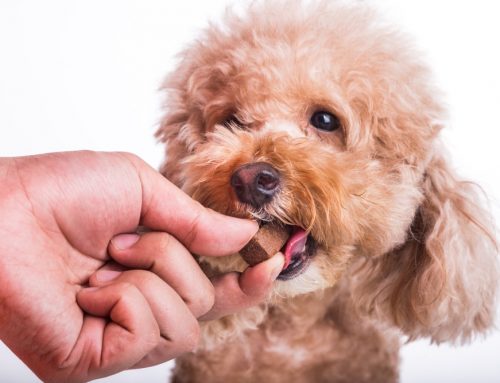
Calming supplements can help take the edge off mild to moderate anxiety without requiring a prescription. These are a reasonable option for pets who need a little something extra but may not need daily medication. Several well-regarded options include:
- Solliquin, which combines L-theanine with other calming ingredients to promote relaxation
- Purina Pro Plan Calming Care, a probiotic that supports anxious behavior through the gut-brain connection, available for both dogs and cats
Your veterinarian can help you choose the right product rather than guessing at the supplement aisle. Some of these work best with daily use over several weeks, so consistency matters.
Prescription Anti-Anxiety Medications
Daily anti-anxiety medications are often the most effective tool for pets with moderate to severe separation anxiety. Medications like fluoxetine (the same class of drug as Prozac) and Amitriptyline work by adjusting serotonin levels in the brain, which helps reduce the baseline level of anxiety your pet carries throughout the day. These are not sedatives. Your pet will still be alert, playful, and themselves. They will just be less consumed by panic when you leave. These medications typically take 4 to 6 weeks to reach full effect, so patience during the adjustment period is important. Your veterinarian will monitor for side effects and adjust dosing as needed.
Situational medications like trazodone or gabapentin can be used on their own for pets with milder, predictable triggers, or alongside daily medication for extra support during particularly stressful situations. These work more quickly and can be given before a known departure or event.
What to Know About Anti-Anxiety Medication for Pets
- Medication works best when combined with training and behavior modification, not as a replacement for it. Think of it as lowering the volume on your pet’s anxiety enough that the training can actually get through.
- Most pets do not need medication forever. Many can be gradually weaned off once new coping skills are established, though some benefit from long-term use.
- Side effects are generally mild and often temporary. The most common include mild drowsiness or a decreased appetite during the first week or two.
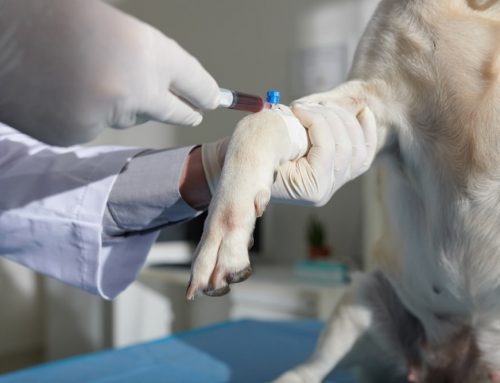
- Regular check-ins and blood work help us make sure the medication is working well and your pet is tolerating it safely.
Every pet responds differently, which is why veterinary guidance matters. We tailor recommendations to your pet’s specific needs, temperament, and health history so you are never guessing about what is safe or effective. If you have been hesitant about medication, we are happy to talk through the options honestly so you can make an informed decision.
What Daily Habits Help Prevent and Manage Separation Anxiety?
Building a consistent routine is one of the most powerful tools for reducing anxiety. Predictability helps nervous pets feel safer, and small, steady habits add up to real progress.
- Exercise before you leave. A tired pet is a calmer pet. A good walk, play session, or training game before departure burns off nervous energy.
- Practice short departures regularly. Step out for just a few minutes, then return calmly. Gradually increase the time as your pet builds tolerance.
- Keep arrivals and departures low-key. Wait a few minutes after coming home before engaging with your pet. This teaches them that your comings and goings are routine, not a big event.
- Leave background noise on. Soft music or a television at low volume provides comfort and masks outside sounds that might trigger barking or restlessness.
- Provide enrichment every time you leave. A food puzzle or stuffed Kong given right before you walk out creates a positive association with your absence.
There will be good days and setbacks, and that is perfectly normal. What matters is the overall trend. With consistency and support from your veterinary team, most pets show meaningful improvement over time.

Your Partner in Helping Your Pet Feel Safe
Separation anxiety is not something your pet will simply grow out of, but it is absolutely treatable. With patience, the right training approach, thoughtful enrichment, and veterinary guidance when needed, your pet can learn to relax even when you are not home.
At Central Kentucky Veterinary Center, we understand how stressful this is for the whole family. Our compassionate, AAHA-accredited team is here to evaluate your pet’s behavior, talk through options, and build a plan that fits your life. With extended evening and weekend hours, getting help does not have to wait.
If your pet is struggling with anxiety, request an appointment or call us at (502) 863-0868. The sooner we start working together, the sooner your pet can feel at ease.



Leave A Comment