

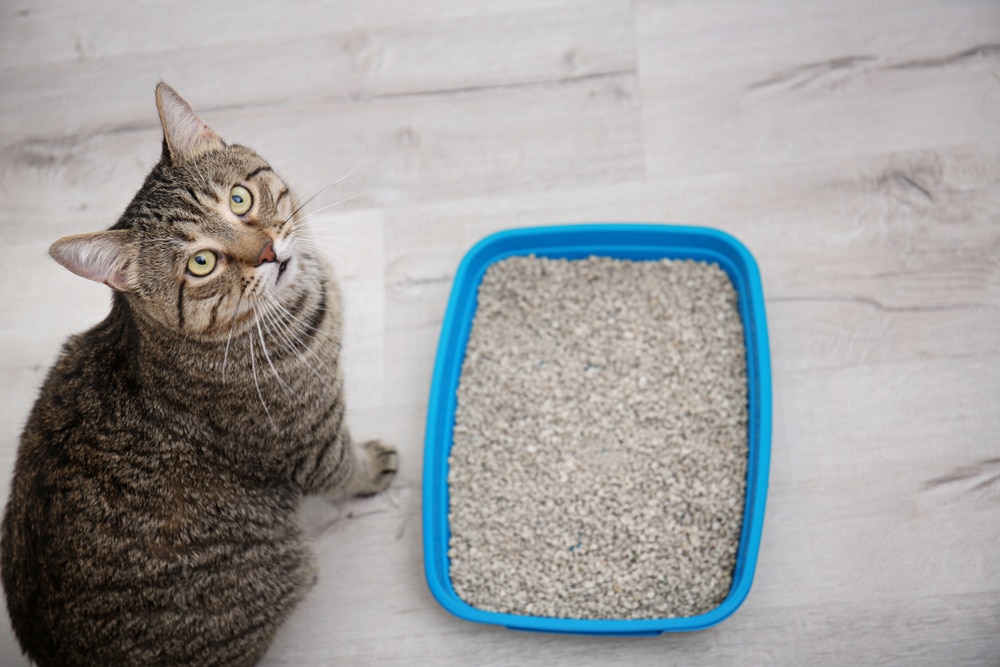
When Should You Worry About Your Cat’s Litter Box Behavior?
You know your cat’s routine. You know how often they visit the litter box, how long they spend there, and what a normal day looks like. So when something changes, you notice. Maybe your cat is making frequent trips to the box but producing almost nothing. Maybe they are crying while trying to urinate, or they have started going outside the box entirely. These are not quirks or behavioral protests. They could be signs of a urethral obstruction, and in male cats, this is a true veterinary emergency.
A urinary blockage can become life-threatening within 24 to 48 hours if left untreated. But here is the reassuring part: when caught early and treated promptly, most cats recover well and go on to live comfortable, healthy lives. Knowing what to look for and acting quickly is what makes the difference.
With Adopt-a-Cat Month bringing new feline family members into homes across Central Kentucky, this is the perfect time to learn about one of the most common emergencies in male cats. At Central Kentucky Veterinary Center, our team is equipped to diagnose and treat urinary blockages quickly, with in-house diagnostics, advanced imaging, and the compassionate care your cat deserves.
What Is a Urinary Blockage and Why Are Male Cats So Vulnerable?
A urethral obstruction occurs when something physically blocks the urethra, the narrow tube that carries urine from the bladder out of the body. The blockage may be caused by mineral crystals, bladder stones, mucus plugs, or a combination of debris and inflammation.
Male cats are significantly more vulnerable because their urethra is longer and narrower than a female cat’s. Even a small amount of material can create a complete blockage.
When urine cannot pass, things escalate quickly. Waste products like potassium and urea build up in the bloodstream. Pressure backs up from the bladder to the kidneys, risking acute kidney injury. Dangerously high potassium levels can affect heart rhythm. And the bladder becomes distended and extremely painful.
This is not a condition that can wait until morning or until Monday. If you suspect your cat is blocked, contact us immediately. Our extended evening and weekend hours mean help is available when emergencies happen.
What Causes a Cat’s Urethra to Become Blocked?
How Do Crystals and Bladder Stones Form?
When urine becomes too concentrated, minerals can crystallize and clump together, eventually forming urinary stones that may lodge in the urethra. The two most common types in cats are struvite and calcium oxalate, and each forms under different urinary conditions.
Several factors increase the risk:
- Low water intake, which leads to concentrated urine
- Diet composition, particularly mineral content and how it affects urine pH
- Infrequent urination, which gives minerals more time to crystallize
Diet plays a major role in prevention, which is why therapeutic urinary diets are such an important part of long-term management.
Can Stress Cause a Blockage Even Without Stones?
Yes, and this surprises a lot of cat owners. One of the most common contributors to urinary blockages is Feline Idiopathic Cystitis (FIC), a condition where the bladder becomes inflamed without any bacterial infection present. That inflammation produces mucus and cellular debris that can form a plug in the urethra.
Stress is a major trigger for FIC. Common stressors for cats include household changes like moving or new pets, inconsistent routines, conflict with other cats in the home, and limited access to resources like litter boxes, food, or quiet resting areas. Managing stress is a critical part of preventing recurrence, and we can help you build a plan around your cat’s specific triggers.
Can a Urinary Tract Infection Lead to a Blockage?
Bacterial urinary tract infection is actually less common in young and middle-aged cats than many owners expect. However, when it does occur, it can contribute to inflammation and debris that increase blockage risk, particularly in older cats or those with other underlying conditions.
When infection is suspected, culture and sensitivity testing identifies the specific bacteria and ensures we prescribe the most effective antibiotic. Our in-house diagnostics allow us to run these tests quickly and get answers the same day in many cases.
What Are the Warning Signs of a Urinary Blockage?
Recognizing early signs can be the difference between an urgent visit and an emergency. Watch for:
- Frequent trips to the litter box with little or no urine produced
- Straining or crying while attempting to urinate
- Licking the genital area excessively
- Blood in the urine or urine spots outside the box
- Hiding, lethargy, or loss of appetite
- Vomiting or a tense, painful abdomen
Cats are experts at hiding pain, which makes subtle changes easy to miss. The Feline Grimace Scale is a helpful tool for reading signs of discomfort based on facial expressions, including ear position, eye squinting, and whisker tension.
If your male cat is making repeated trips to the litter box without producing urine, do not wait to see if it resolves. Call us right away at (502) 863-0868.
How Does the Veterinary Team Diagnose a Blockage?
When your cat arrives, our team moves quickly. The diagnostic process typically includes:
- Physical exam: A distended, firm bladder is often immediately palpable and confirms the blockage.
- Blood work: Evaluates kidney values and electrolyte levels, especially potassium, which can reach dangerous levels.
- Urinalysis: Checks for crystals, blood, white blood cells, and bacteria.
- Imaging: Radiographs or ultrasound help identify stones, assess bladder wall changes, and rule out other conditions.
These diagnostics guide every decision that follows. Our advanced diagnostic capabilities mean we can complete this workup efficiently and begin treatment without delay.
What Does Emergency Treatment Look Like?
Stabilization With IV Fluids
Intravenous fluids are typically the first step. They correct dehydration, help flush accumulated toxins, and begin restoring electrolyte balance. Stabilization is essential before and after relieving the obstruction.
Pain Management
A blocked cat is in significant pain, and managing that pain is not just about comfort. Effective pain relief reduces stress, lowers heart rate, and allows for smoother catheter placement. Our team uses a multimodal approach, combining different strategies tailored to each cat.
Catheterization
Once your cat is stabilized and comfortable, a urinary catheter is gently placed to relieve the blockage. The bladder is flushed to clear crystals, mucus, and debris. The catheter typically stays in place for 24 to 72 hours to allow the urethra to heal and to let us monitor urine output closely.
Post-Procedure Monitoring
After the blockage is relieved, your cat stays with us for monitoring. This includes tracking urine production, repeating blood work to confirm kidney values and electrolytes are improving, and providing supportive care. Antibiotics are only used when a bacterial infection has been confirmed through testing, not as a routine measure.
Our team provides attentive post-procedure care and keeps you updated throughout your cat’s recovery.
Is Surgery Ever Needed for Cats Who Keep Blocking?
For cats who experience repeated blockages despite medical management, perineal urethrostomy (PU surgery) may be recommended. This procedure surgically widens the urethral opening to reduce the risk of future obstruction.
PU surgery is not a first-line treatment. It is reserved for cats whose anatomy and history make recurrence likely despite dietary and environmental changes. Recovery typically involves two to three weeks of restricted activity, an Elizabethan collar, and temporary use of shredded paper litter to protect the surgical site.
Our surgical services include soft tissue procedures like PU surgery, and our team provides thorough follow-up to make sure recovery goes smoothly.
How Can You Help Prevent Urinary Blockages From Coming Back?
Prevention is where you have the most power. A few consistent changes at home can dramatically reduce the chances of another blockage.
Get Your Cat Drinking More Water
Dilute urine is healthier urine. Encouraging your cat to take in more water is one of the most effective things you can do.
- Feed wet food: The debate between wet or dry cat food matters here. Wet food significantly increases daily water intake compared to dry kibble, and for cats with a history of urinary issues, it can make a real difference.
- Try a water fountain: Many cats prefer running water over a still bowl.
- Place multiple water stations around the house in quiet, accessible spots.
Feed a Therapeutic Urinary Diet
Prescription urinary diets are specifically formulated to manage urine pH and reduce the concentration of stone-forming minerals. Your veterinarian will recommend the right diet based on the type of crystals or stones found during your cat’s workup. We carry several trusted options:
Royal Canin Urinary SO: Available in dry and wet formulas, plus urinary treats so your cat does not have to miss out on snack time while staying on their therapeutic diet.
Hill’s Prescription Diet c/d: Available in dry and wet formulas, formulated to support urinary health and reduce recurrence.
Purina Pro Plan Veterinary Diets UR: Available in dry and wet, with urinary treats also available.
Periodic urinalysis helps us monitor whether the diet is doing its job, and we adjust recommendations based on what your cat’s follow-up tests show.
Reduce Stress in Your Cat’s Environment
Since stress is such a significant trigger for feline urinary problems, creating a calm, predictable home environment is essential. The Indoor Pet Initiative offers practical strategies including:
- Providing vertical spaces, hiding spots, and quiet retreats
- Keeping routines consistent for feeding, play, and litter box maintenance
- Using puzzle feeders and interactive toys for mental stimulation
- Separating resources in multi-cat households so no one has to compete
Calming products like Feliway diffusers and Solliquin can also help lower baseline stress and are especially useful during transitions or in multi-cat homes. Our team can help you choose the right combination for your cat’s situation.

Set Up the Litter Box for Success
Litter box stress is a real and often underestimated factor in urinary health. Following litter box best practices makes a meaningful difference:
- One box per cat, plus one extra
- Place boxes in quiet, accessible locations away from food and water
- Scoop daily and change litter completely on a regular schedule
- Use unscented, fine-grained litter that most cats prefer
Protecting Your Cat’s Urinary Health Starts With Awareness
Urinary blockages are scary, but they are also highly treatable when caught early and largely preventable with the right approach. Paying attention to your cat’s litter box habits, keeping up with hydration and diet, managing stress, and scheduling regular wellness exams all work together to protect your cat’s urinary health.
At Central Kentucky Veterinary Center, our AAHA-accredited team is here for every step, from emergency intervention to long-term prevention planning. If your cat is showing any signs of straining, discomfort, or changes in urination, do not wait. Request an appointment or call us at (502) 863-0868.




Leave A Comment