

What Should You Know About Lyme Disease and Tick-Borne Illness?
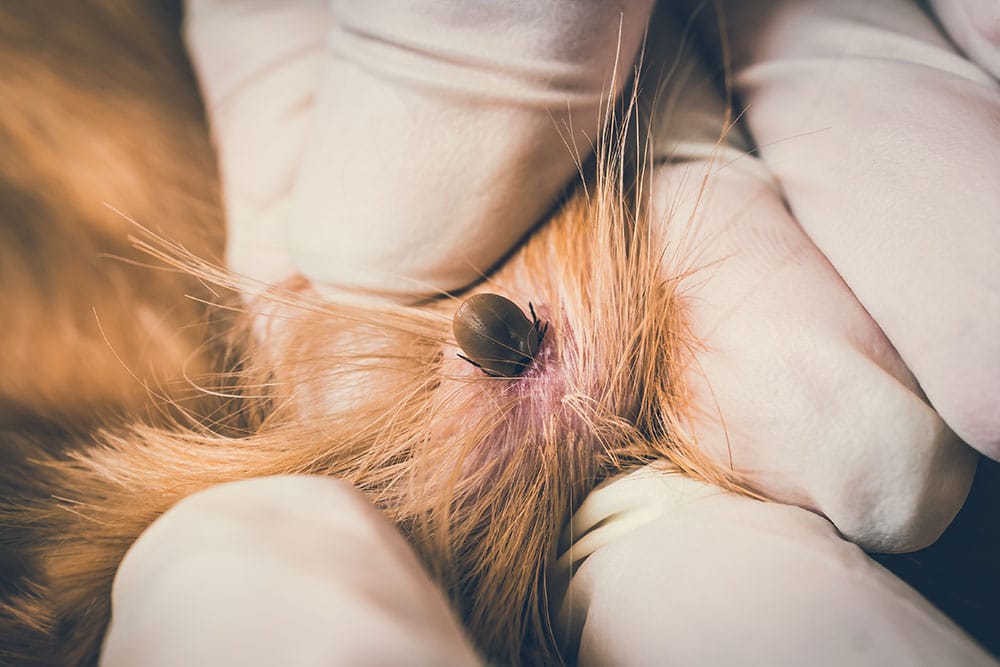
You are brushing your dog after a walk through the fields around Georgetown and your fingers catch on something small and hard near the ear. A tick. The immediate questions start: How long has it been there? Could it carry something? Is my dog going to be okay?
If this scenario sounds familiar, you are not alone. Tick-borne diseases like Lyme disease are a growing concern for pet owners across Central Kentucky, and your worry is completely valid. But here is the reassuring part: Lyme disease is treatable, especially when caught early, and it is also highly preventable with the right combination of tick control and veterinary care.
This guide covers what Lyme disease is, how to recognize it, how to prevent it, and what to expect if your pet is diagnosed. At Central Kentucky Veterinary Center, we screen for tick-borne diseases as part of our routine wellness care and can help you build a prevention plan tailored to your pet’s lifestyle and risk level.
How Do Pets Get Lyme Disease?
Lyme disease is caused by the bacterium Borrelia burgdorferi and is transmitted through the bite of infected black-legged ticks, also called deer ticks. A tick must attach and feed for approximately 24 to 48 hours before the bacterium transfers to your pet, which is why finding and removing ticks quickly is so important.
Ticks live in wooded, brushy, and grassy areas and latch onto pets (and people) that pass by. Central Kentucky’s mix of farmland, wooded trails, and suburban yards creates plenty of tick habitat, and warming climate patterns are extending tick seasons and expanding their range. Dogs are diagnosed with Lyme disease far more often than cats, though cats can be exposed as well.
Our team can advise you on local tick risk based on your pet’s environment and activity level, and our in-house testing capabilities allow us to screen for exposure quickly.
What Are the Signs of Lyme Disease in Dogs?
Symptoms can appear weeks to months after a tick bite, and many infected dogs show no signs right away. This is why annual screening matters even if your pet seems perfectly healthy.
The most common signs include:
- Shifting-leg lameness: Limping that moves from one leg to another or comes and goes is a hallmark of Lyme disease
- Joint swelling and stiffness
- Fever and lethargy
- Decreased appetite
- Swollen lymph nodes: You can gently feel for swelling under the jaw, in front of the shoulders, and behind the knees
If Lyme disease goes untreated, more serious Lyme disease complications can develop. Lyme nephritis, a severe form of kidney disease, is the most concerning and can be life-threatening. Chronic joint inflammation and, less commonly, cardiac or neurological effects are also possible. Early detection and treatment dramatically reduce the risk of these outcomes.
If you notice unexplained or shifting lameness, especially combined with fatigue or appetite changes, contact us to schedule testing.
What Other Tick-Borne Diseases Should Pet Owners Know About?
Lyme disease is not the only illness ticks carry, and a single bite can potentially expose your pet to multiple pathogens.
Ehrlichiosis and anaplasmosis affect white blood cells and can cause fever, lethargy, joint pain, bleeding disorders, and immune suppression. Symptoms overlap with Lyme disease, and co-infection with multiple tick-borne organisms is possible.
Babesiosis is a parasitic infection that destroys red blood cells and can lead to severe anemia, including immune-mediated hemolytic anemia (IMHA), a life-threatening condition requiring aggressive treatment.
The good news is that tick prevention protects against all of these diseases simultaneously, and routine screening blood tests at our practice can detect exposure to multiple tick-borne pathogens in a single test.
How Is Lyme Disease Diagnosed and Treated?
What Does the Diagnostic Process Look Like?
Diagnosis typically involves a screening blood test (such as a 4Dx snap test) that checks for antibodies to Lyme disease and other tick-borne pathogens, combined with clinical signs, tick exposure history, and additional lab work. This test is usually combined with the yearly heartworm test. A urine test may be recommended to check for kidney involvement.
It is important to know that a positive antibody test means your pet was exposed, not necessarily that they have active infection. Your veterinarian will interpret results in the context of symptoms and overall health.
How Is Lyme Disease Treated in Dogs?
The standard treatment is a course of antibiotics, most commonly doxycycline, typically given for about four weeks. Pain management and anti-inflammatory medications may be added for joint discomfort. Most dogs respond well, with improvement in lameness and energy often visible within days of starting antibiotics.
Follow-up testing is important to monitor treatment response and check for kidney complications. Some dogs may experience recurrent episodes of lameness or need longer treatment courses, but early treatment leads to the best outcomes. Our team provides ongoing monitoring through regular follow-up visits to catch any recurrence.
How Can You Prevent Lyme Disease and Tick-Borne Illness?
Prevention is the most effective strategy, and a layered approach combining tick preventatives with environmental awareness and vaccination provides the best protection. Maintaining year-round parasite prevention is critical because ticks can be active whenever temperatures are above freezing, and Central Kentucky’s mild winters mean tick season often extends longer than expected.
Which Tick Prevention Products Are Available?
There are several categories of tick prevention products, and choosing the right flea and tick prevention depends on your pet’s lifestyle, health, and environment.
Oral preventatives are prescription chewable tablets that work systemically, killing ticks when they bite. They are easy to give, unaffected by bathing or swimming, and kill ticks before disease transmission typically occurs. Vet-trusted options commonly used include Bravecto, NexGard, Simparica, and Credelio.
Topical preventatives are spot-on treatments applied to the skin that spread through the coat’s natural oils. They are effective at repelling and killing ticks but can be affected by bathing and swimming. Advantix and Frontline Plus are vet-trusted options, but be especially careful if you have cats in your home. Topical tick preventatives are toxic to cats if they groom your dog after application.
Tick collars like Seresto release active ingredients continuously over eight months, providing long-lasting protection without monthly dosing. Fit must be correct (completely touching the skin), and they may not suit every household.
All tick prevention products should be recommended by your veterinarian, and products must be species-appropriate. Our team can help you determine which option fits your pet’s routine best.
Should Your Dog Get the Lyme Disease Vaccine?
A Lyme disease vaccine is available for dogs and is recommended based on risk factors such as geographic location and tick exposure level. It is considered a lifestyle vaccine, meaning it is not given to every dog but is recommended when the risk warrants it. The vaccine involves an initial series followed by annual boosters.
The vaccine does not replace tick prevention. It adds another layer of protection. Our team can help you determine whether the Lyme vaccine makes sense for your dog based on their activity level and regional risk.

How Do You Safely Remove a Tick and Reduce Exposure?
What Is the Right Way to Remove a Tick?
Proper tick removal matters. Use fine-tipped tweezers or a tick removal tool, grasp the tick as close to the skin as possible, and pull upward with steady, even pressure. Do not twist, jerk, or use petroleum jelly, nail polish, or heat to try to make the tick back out, as these methods can increase disease transmission risk.
Clean the bite area and your hands afterward. Save or photograph the tick for identification if possible, and monitor your pet for symptoms over the following weeks.
How Can You Reduce Tick Encounters at Home?
Simple environmental changes reduce your pet’s exposure:
- Perform daily tick checks after outdoor activity, focusing on ears, between toes, under the collar, around the face, and in the groin area
- Keep grass trimmed short and remove leaf litter and brush piles
- Create a gravel or wood chip barrier between wooded areas and your lawn
- Avoid walking through tall grass and dense brush during peak tick season
Central Kentucky’s warm months (April through October) see the highest tick activity, but checks should continue year-round.
Frequently Asked Questions About Lyme Disease
Can cats get Lyme disease? Clinical Lyme disease in cats is extremely rare, but tick prevention is still important for cats to protect against other tick-borne diseases.
Can I get Lyme disease from my pet? Not directly. Pets cannot transmit Lyme to humans, but ticks your pet carries into the home can bite family members. Tick prevention protects the whole household.
My dog tested positive but seems fine. Do they need treatment? A positive test indicates exposure. Your veterinarian will evaluate whether treatment is needed based on symptoms, additional lab results, and overall health.
How often should my pet be tested? Annual screening is recommended as part of routine wellness care. More frequent testing may be needed for pets with known tick exposure.
Do I really need tick prevention in winter? Yes. Ticks can be active whenever temperatures are above freezing, and year-round prevention is the safest approach.
Your Partner in Protecting Against Lyme Disease
Lyme disease is a real but manageable threat. Prevention is the most effective strategy, early detection leads to excellent outcomes, and treatment is straightforward when started promptly. With the right combination of tick prevention products, vaccination when appropriate, regular screening, and smart tick avoidance habits, your pet can enjoy the outdoors safely.
At Central Kentucky Veterinary Center, our AAHA-accredited team is here to guide you through every step, from choosing the right tick preventative to interpreting screening results. No question is too small when it comes to your pet’s health. Request an appointment or call (502) 863-0868 to discuss tick prevention, Lyme screening, or vaccination options for your pet.





Leave A Comment