

Why Is Summer More Dangerous for Pets Than Most Owners Realize?
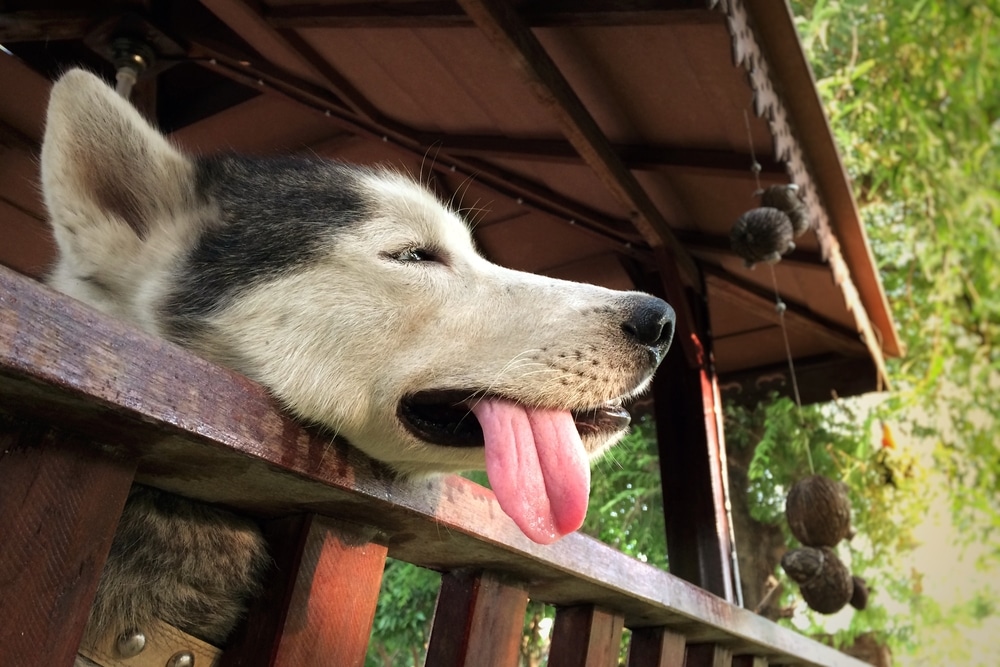
Central Kentucky summers are beautiful, but they can also be brutal. When temperatures climb into the 90s and humidity settles in, your pet feels the heat far more intensely than you do. So what makes hot weather so risky for dogs and cats? Unlike humans, pets cannot sweat through their skin to cool down. They rely almost entirely on panting and minimal sweat glands in their paw pads, which means their cooling system is limited and easily overwhelmed.
The good news is that most heat-related emergencies are preventable. With a few smart adjustments to your summer routine, you can keep your pet safe and comfortable all season. This guide covers how to spot warning signs, what to do in an emergency, and practical strategies for everything from daily walks to Fourth of July celebrations.
At Central Kentucky Veterinary Center, we see heat-related cases every summer, and we would much rather help you prevent them. If you have questions about your pet’s summer safety plan, contact us any time.
Why Do Some Pets Overheat Faster Than Others?
All pets are vulnerable to heat, but some are at significantly higher risk. Understanding your pet’s individual risk factors helps you plan accordingly.
Flat-faced breeds like Bulldogs, Pugs, French Bulldogs, and Persian cats have compromised airways that make panting far less efficient. For these pets, even moderate heat can become dangerous quickly.
Other factors that increase risk include:
- Overweight or obese pets: Excess body weight insulates heat and puts extra strain on the cardiovascular system
- Thick or double-coated breeds: Heavy coats trap heat close to the body
- Senior pets: Older animals have less efficient temperature regulation and may have underlying heart or respiratory conditions
- Puppies and kittens: Young animals have not fully developed their ability to regulate body temperature
- Pets with heart or respiratory disease: Any condition that compromises breathing or circulation reduces cooling capacity
Our team evaluates these risk factors during wellness visits and can help you build a summer plan tailored to your pet’s breed, age, and health status.
What Does Heatstroke Look Like in Dogs and Cats?
Heatstroke, also called heat exhaustion in its early stages, occurs when your pet’s body temperature rises to dangerous levels and their cooling mechanisms cannot keep up. Recognizing the signs early can save your pet’s life.
Early warning signs:
- Excessive panting or drooling
- Restlessness or actively seeking shade
- Bright red gums and tongue
- Increased heart rate
Escalating signs that require immediate action:
- Stumbling, disorientation, or wobbling
- Vomiting or diarrhea
- Gums turning pale, gray, or muddy
- Collapse or inability to stand
- Seizures or loss of consciousness
If your pet shows escalating signs, begin cooling them immediately (see the first aid section below) and call us at (502) 863-0868 right away so our team can prepare for your arrival.
Can a Pet Still Be in Danger After They Seem to Cool Down?
Yes, and this is one of the most important things to understand about heatstroke. A pet may appear to improve after initial cooling, but serious complications can develop over the next 24 to 72 hours.
Potential delayed complications include:
- Kidney or liver dysfunction
- Gastrointestinal damage, including bloody diarrhea
- Clotting abnormalities and internal bleeding
- Heart rhythm disturbances
This is why veterinary monitoring after any heat event is critical. Our diagnostic services include blood work, urinalysis, and coagulation testing to catch organ damage before it becomes a crisis.
What Should You Do If You Suspect Heatstroke?
If your pet is showing signs of overheating, staying calm and acting quickly gives them the best chance. Follow these steps while contacting your veterinarian for emergency guidance:
- Move your pet to a cool, shaded area or an air-conditioned room immediately.
- Apply cool (not ice-cold) water to their paw pads, belly, and armpits using damp towels.
- Use a fan or air conditioning to increase airflow across wet fur.
- Offer small sips of cool water but do not force them to drink.
- Do not use ice baths or ice packs. Rapid overcooling can cause blood vessels to constrict, trapping heat inside the body and making things worse.
- Call Central Kentucky Veterinary Center at (502) 863-0868 so we can prepare for your arrival and provide guidance while you are on the way.
Every minute matters with heatstroke. Even if your pet seems to recover, bring them in for evaluation to rule out internal complications.
How Can You Keep Your Pet Safe in the Summer Heat?
What Are the Best Ways to Keep Your Pet Hydrated and Cool?
Hydration is your first line of defense. Always have fresh, cool water available, and bring a portable water bowl on any outing. On especially hot days, consider these additional cooling strategies:
- Cooling mats placed in your pet’s favorite resting spots
- Damp towels draped over your pet or placed on the floor for them to lie on
- Fans or air conditioning directed toward resting areas
- Frozen treats like KONGS stuffed with canned food, low-sodium broth, or soaked kibble
Watch for early panting and take proactive breaks before your pet shows signs of distress. Do not wait until they are visibly struggling.
When Is It Safe to Walk or Exercise Your Pet in Hot Weather?
Schedule walks and outdoor play during the coolest parts of the day, typically before 9 AM or after 7 PM during peak summer. Shorten walks and reduce exercise intensity on humid days, when panting is even less effective at cooling.
Hot pavement is a serious hazard. If the ground is too hot for the back of your hand after five seconds, it is too hot for your pet’s paws. Following paw protection tips like sticking to grassy surfaces and using protective booties keeps paws safe from burns and blistering.
Why Should You Never Leave a Pet in a Parked Car?
This one cannot be overstated. On an 80-degree day, the interior of a car can reach over 100 degrees in just ten minutes. Cracking the windows does almost nothing to slow that rise. Pets can develop life-threatening heatstroke in minutes inside a parked vehicle, even on days that feel mild.
The safest choice is always to leave your pet at home if you cannot bring them inside with you at every stop. Many states have laws addressing pets left in hot vehicles, and bystanders may be legally permitted to intervene. If your pet has been exposed to a hot car, call us immediately for triage instructions.
How Can You Keep Pets Comfortable Indoors During Heat Waves?
When temperatures peak, keeping your pet indoors with air conditioning or fans is the safest option. Make sure they have access to cool flooring like tile or hardwood, shaded resting areas away from direct sunlight, and plenty of fresh water.
Boredom can be a challenge when outdoor time is limited. Indoor boredom busters like food puzzles, scent games, and short training sessions provide mental stimulation without generating excess body heat. Frozen stuffed toys are a great option that combines enrichment with cooling.
How Do You Keep Outdoor Cats Safe in the Heat?
Cats who spend time outdoors face the same heat risks as dogs, but they tend to manage sun exposure on their own terms. Still, you can help by following outdoor cat safety strategies:
- Provide multiple shaded resting areas in the yard
- Refresh water bowls frequently, as warm water is less appealing and less hydrating
- Consider a catio or supervised enclosure to limit direct sun exposure during peak hours
- Check for signs of sunburn on ears, noses, and areas with thin fur, especially in light-colored cats
If your outdoor cat is due for a wellness check or microchip update, summer is a great time to schedule a visit.

How Can You Keep Pets Safe During Summer Holidays and Celebrations?
What Helps Pets Cope With Fireworks and Thunderstorms?
Summer storms and fireworks are a major source of stress for many pets. Noise aversion is common and can range from mild anxiety to full panic, leading to escape attempts, destructive behavior, and self-injury.
To help your pet through noisy events:
- Set up a quiet, interior room with familiar bedding and a white noise machine or calming music
- Close curtains to block flashing lights
- Use calming pheromone diffusers or sprays
- Stay calm yourself, as your pet takes cues from your behavior
For pets with severe noise anxiety, prescription medications or supplements can make a significant difference. Contact our team well before the Fourth of July or storm season to discuss options.
How Do You Prepare Your Pet for Fourth of July Festivities?
July Fourth safety planning should start weeks before the holiday. Make sure your pet’s collar fits snugly with current ID tags, and confirm that their microchip information is up to date. More pets go missing on July Fourth than almost any other day of the year. Contact us about anti-anxiety medications in far in advance to make sure we can get your prescription before the fireworks start.
Keep pets indoors during fireworks, avoid bringing them to large gatherings or public displays, and plan calm indoor activities to keep them occupied.
Which BBQ Foods Are Dangerous for Pets?
Cookouts are full of temptation for pets, but many common BBQ foods are genuinely dangerous.
- Bones: Can splinter and cause choking or internal punctures and fractured teeth
- Onions, garlic, and chives: Toxic to dogs and cats
- Grapes and raisins: Can cause kidney failure in dogs
- Fatty meats and skin: Can trigger pancreatitis
- Corn on the cob: A common foreign body obstruction risk
- Block access to grease traps or dripping trays
If you want to include your pet in the celebration, bring pre-portioned pet-safe treats so well-meaning guests do not share from their plates.
Enjoy Summer Safely With Your Pet
Summer should be fun for the whole family, pets included. With a little planning, the right precautions, and awareness of your pet’s individual risk factors, you can prevent heat-related emergencies and make the most of the season.
At Central Kentucky Veterinary Center, our AAHA-accredited team is here to help you prepare. Whether you need a summer wellness check, noise anxiety medication before the holidays, or emergency care on a hot day, our extended evening and weekend hours mean help is always close. Request an appointment or call (502) 863-0868 to get your pet’s summer safety plan in place.


Leave A Comment