


Is your pet a little “fluffy,” or could that extra padding signal a health risk? Many owners rely solely on the scale, but numbers don’t tell the full story. Body condition scoring (BCS) provides a clearer picture of whether a pet is underweight, overweight, or just right by evaluating muscle and fat distribution. It’s a hands-on tool that helps identify risks for conditions like arthritis, diabetes, and heart disease before they progress. At Central Kentucky Veterinary Center in Georgetown, our team uses BCS alongside advanced diagnostics and nutrition counseling to guide every pet toward a healthier, happier life.
What is Body Condition Scoring (BCS)?
Understanding BCS and Its Importance
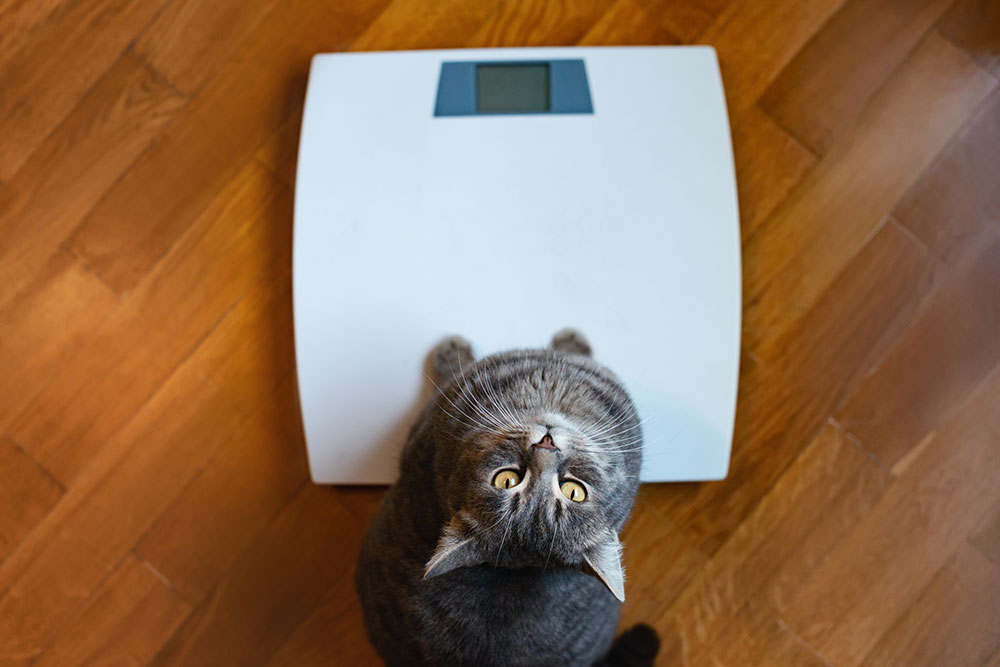
Body condition scoring goes beyond weight alone. While a scale might show that your dog weighs 65 pounds, it can’t distinguish healthy muscle from excess fat. BCS evaluates fat and muscle distribution across the body for a more complete picture. Fur can make it difficult to judge a pet’s weight just by sight.
This approach helps identify risks early. Excess weight contributes to arthritis, raises diabetes risk, and strains the cardiovascular system. Underweight pets may struggle with immune function and temperature regulation. At Central Kentucky Veterinary Center, we integrate BCS into routine exams because early detection leads to better outcomes.
BCS also accounts for individual variation. A Border Collie and a Bulldog of the same weight can have very different body compositions. BCS recognizes these differences while maintaining consistent health standards.
How BCS Works
The common BCS scale runs from 1 to 9, with 4–5 considered ideal.
- 1: Severely underweight. Ribs, spine, and hips are clearly visible with no palpable fat.
- 2–3: Underweight. Bones are easily felt; some muscle is present.
- 4–5: Ideal. Ribs are felt with gentle pressure; a visible waist is seen from above; an abdominal tuck is apparent from the side.
- 6–7: Overweight. Ribs are hard to feel; the waist is less defined; there is a reduced abdominal tuck.
- 8–9: Obese. Ribs cannot be felt; no waist is visible; fat deposits are around the neck, limbs, and abdomen.
Why Pet Weight Matters
Health Risks of Being Overweight or Underweight
Appropriate body condition directly impacts long-term health. Overweight pets face higher risks for diabetes mellitus, which requires lifelong management. Obese pets are also at higher risk of bladder stones, spinal issues like intervertebral disc disease, high blood pressure, and some types of heart disease.
Excess weight accelerates joint degeneration, causing painful arthritis, reduced mobility, and a cycle of inactivity and further weight gain. Overweight pets also face increased surgical and respiratory risks and reduced heat tolerance, putting them at risk of heat stroke. Cats carrying extra weight often have grooming difficulties, leading to skin problems and discomfort.
Underweight pets may have compromised immune function, poorer recovery from illness, and difficulty with temperature regulation due to inadequate fat and muscle reserves. Pets with low muscle mass will struggle with mobility, and severely underweight pets will eventually experience organ failure.
How to Perform BCS at Home
Step-by-Step Guide for Pet Owners
A great way to learn body condition scoring is with your own hand. Clench your hand into a fist.
- Run your fingers along your knuckles- you can see and feel them prominently. This is a good comparison for an underweight pet at a BCS of 1 or 2.
- Now feel the back of your hand. If you push gently, you can feel the bones under your skin- this is what you should feel for a pet at a good weight, at a BCS of 4 or 5.
- Open your hand and feel your palm. You can’t feel the bones of your hand this way- just like you can’t feel an overweight pet’s ribs at a BCS of 8 or 9.
Now, assess your pet’s ribcage by running your hands along it. In ideal condition, you should feel individual ribs with gentle pressure, similar to feeling bones on the back of your hand.
View your pet from above to check for a visible waist behind the ribs, creating an hourglass shape. From the side, look for an abdominal tuck where the belly curves upward toward the hind legs.
Note fat deposits around the neck, shoulders, and base of the tail, which often signal excess weight. Keep in mind that thick coats can obscure visual cues, and home assessments can be tricky. If you’re unsure, seek a professional evaluation to confirm accurate scoring.
Nutrition and Weight Management
Creating a Balanced Diet
Effective weight management starts with understanding nutritional needs. The Pet Calorie Calculator helps determine daily caloric needs based on current and target weight and activity level.
Quality matters as much as calories. High-quality proteins help maintain muscle during weight loss, while appropriate fiber supports satiety and digestive health. Working with your veterinary team ensures dietary changes support overall health, not just fewer calories.
Weight Management Strategies
Obesity prevention is critical. Safe weight loss addresses both diet and activity. Slim Down with Your Hound provides canine strategies, and Feline Fitness covers the unique challenges of helping cats lose weight.
Gradual change is key. Rapid loss can be dangerous, especially in cats, where it may trigger hepatic lipidosis. Regular monitoring helps ensure weight loss is safe while maintaining muscle mass and energy.
Smarter Truths About Pet Weight
What Owners Often Get Wrong
It’s easy for us to want to show our love through snacks and treats- but those calories add up. It’s important to remember that a large Milk Bone style treat fed to a 40lb dog is equivalent to feeding a Big Mac to a 175lb human- that’s essentially a whole meal.
A common belief is that slightly overweight pets are healthier or happier. In reality, ideal body condition is linked to longer lifespans, better mobility, and lower disease risk. Don’t give in to the begging or sad eyes, and instead show love through toys, walks, and belly rubs.
Weight Isn’t the Whole Story
Health assessment goes beyond the number on the scale. Two dogs of identical weight might have very different health statuses depending on body condition. A muscular, athletic dog can weigh more than an overweight, undermuscled dog of the same frame size. Don’t rely on breed standards for “ideal weight.” Within a breed, individual pets vary based on sex, frame, muscle mass, and build. BCS helps identify what’s ideal for your pet, not just the average for the breed.
The Role of the Veterinarian
Professional Support and Advanced Diagnostics
Veterinary support is invaluable for successful weight management. At Central Kentucky Veterinary Center, we combine BCS with advanced diagnostics to uncover medical issues that influence weight. If you need help developing an exercise program, our rehabilitation services can help your pet get on track and set you up with safe exercises to start at home.
Thyroid disorders, hormonal imbalances, and other conditions can affect body weight. Advanced diagnostics distinguish pets who need dietary changes from those who require medical intervention.
Regular Check-ups and Monitoring
Consistent monitoring allows timely adjustments. As your pet’s body composition changes or they age, plans may need refinement. Regular visits provide chances to reassess BCS, fine-tune caloric intake, and address any concerns.
Consider scheduling an appointment for a professional assessment if you’re concerned about weight or unsure about at-home scoring.
Taking Action for Your Pet’s Health
BCS empowers you to monitor health between visits. Regular assessment helps catch changes early, allowing proactive intervention.
If ribs become difficult to feel, the waist disappears, or activity drops, schedule an evaluation. Likewise, if ribs and hip bones become prominent, consult your veterinarian promptly. At Central Kentucky Veterinary Center, our AAHA- accredited hospital with full diagnostic services and nutritional counseling help pets achieve and maintain optimal body condition.
Ready to ensure your pet maintains ideal body condition? Contact Central Kentucky Veterinary Center at (502) 863-0868 to schedule a body condition assessment. Our experienced team will develop a personalized plan to keep your pet healthy, comfortable, and active for years to come. If you have any questions or need guidance, don’t hesitate to reach out to us today.




Leave A Comment